Get Full Government Meeting Transcripts, Videos, & Alerts Forever!
Get email alerts on the Career Education topic
No spam. Unsubscribe anytime.
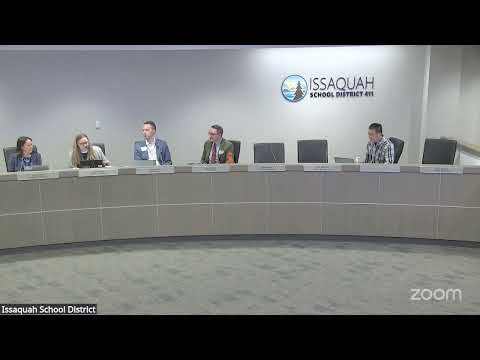
Issaquah presentation details Career Kickstart pilot; board and students discuss scaling, equity and logistics
Summary
District staff described a two-week Career Kickstart pilot attended by 46 students from across the district; presenters and board members discussed outcomes, funding partners, barriers to expansion and options for integrating career experiences into school days.
Julia Bamba, principal on special assignment for accelerating innovation, presented the Career Kickstart summer pilot and told the board that 46 students participated after a random-lottery selection from roughly 160 applicants. The program offered two weeks of workshops, industry panels, worksite tours, resume coaching, informational interviews and professional headshots.
"We wanted to uncover some of the challenges that we may have in trying to expand career-connected experiences," Bamba said, summarizing goals and next steps. Issaquah Schools Foundation provided funding support that helped underwrite staffing and off-site visits; corporate and community partners hosted panels and shadow days.
Board members praised participants’ satisfaction rates and discussed options for scaling beyond a small summer pilot. Director Taylor and others suggested using non-testing days (PSAT or SBA days) or targeted school days to offer more students similar experiences without requiring summer attendance. Staff said the district is exploring alternatives such as shorter, in-year opportunities, flex-time events and additional small pilots.
Students and board members asked about equity and logistics: how to match students to shadow hosts, background checks for hosts, transportation and how to avoid overburdening community partners. Bamba said site tours and panels worked best with groups of about 15–20 students per site and that placing students in a shadow day ranged from one to three days depending on host availability.
Program designers reported that students received resume feedback and participated in “hot seat” sessions with industry professionals; staff noted that LinkedIn-specific training was not part of the pilot but students practiced elevator pitches, networking and informational-interview skills.
Staff recommended running additional pilots during the school year and exploring ways to integrate career experiences into existing school time so students who work summers or lack transportation can participate. The board encouraged further planning and community engagement to scale the program equitably.