Get Full Government Meeting Transcripts, Videos, & Alerts Forever!
Get email alerts on the Accessible Transportation topic
No spam. Unsubscribe anytime.
SB 125 task force advances most accessibility recommendations, asks staff to refine several items
Summary
The SB 125 Transit Transformation Task Force voted to advance the bulk of staff's accessible‑transportation recommendations after extensive edits, but pulled a handful of items for rewording and further work. Staff will return revised language at the next meeting.
The SB 125 Transit Transformation Task Force on Thursday approved the majority of staff’s recommendations aimed at improving accessibility across California’s transit system, but asked staff to redraft a handful of proposals that members said needed clearer implementation language.
Task force members approved a package of recommendations on accessible transportation — including inventories of transit stop accessibility, better paratransit eligibility documentation, and clarified coordination with health and social‑service providers — after debate over whether items should “encourage” or “require” agency action. Hunter Owens, SB 125 staff, told members the recommendations were drafted to be concept‑level, with the second pass intended to tighten language and implementable steps.
The vote followed more than an hour of public comment and member discussion. Dylan Fabris, community and policy manager for San Francisco Transit Riders, urged the task force to pair funding proposals with clear service and climate goals: “It’s gonna take a lot to deliver the transit service that Californians need and deserve,” he said during public comment. Several disability‑advocacy commenters said paratransit eligibility and stop accessibility (audio wayfinding, elevator redundancy) must be priority items.
The task force approved moving forward all recommendations except those flagged on screen for revision (notably items members identified as MM1, MM4, OO1 and NN1). A roll call vote recorded a majority in favor; staff committed to producing revised language over the coming weeks and returning the edited items for consideration at the next meeting.
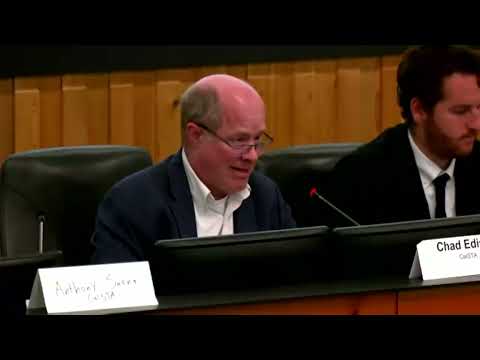
Chair Chad Edison framed the approach as iterative. After members identified problematic wording, he asked staff to take comments and bring revised drafts back, saying the aim was to produce recommendations that could be implemented, not simply aspirational language.
What happens next: Staff will prepare revised text that reflects member edits — for example, stronger linkage to fixed‑route accessibility and clearer boundaries for cross‑jurisdictional paratransit trips — and present the changes at the next meeting. The task force’s work on accessibility will be part of the final SB 125 report to the Legislature.