Lifetime Citizen Portal Access — AI Briefings, Alerts & Unlimited Follows
Task force debates state vs. regional roles in fare, schedule and wayfinding coordination
Loading...
Summary
The SB125 task force weighed how to coordinate fares, schedules and wayfinding across California; operators and advocates urged regional leadership with state technical support, widespread adoption of tap-to-pay and student passes, and better procurement and funding for trip-planning tools.
Task force staff presented recommendations for coordinating fares, schedules, mapping and wayfinding among transit agencies around California and asked members for feedback on roles, standards and funding. Staff emphasized empowering regions to take the lead while asking for direction on which statewide tools and metrics the state should provide.
Public commenters and advocates urged a statewide approach to fare integration and to prioritize student and youth passes. Speakers representing Californians for Electric Rail, Seamless Bay Area and RailPAC said streamlined capital delivery and fare-schedule integration are central to increasing ridership. Multiple commenters advocated amending the Surplus Lands Act to incentivize transit-oriented housing on agency-owned land.
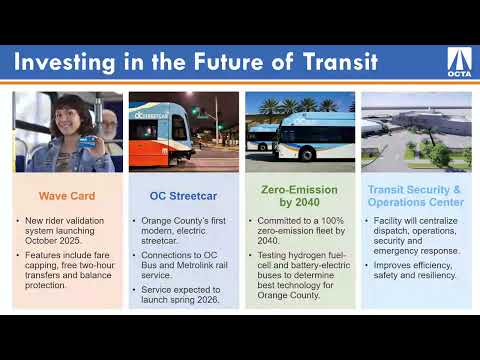
Task force discussion focused on where authority should reside. Several members said regions should lead detailed implementation — identifying hubs, overseeing regional timetable updates and developing regional pass programs — while the state should set performance goals, provide flexible funding and offer a statewide center of technical assistance. Members discussed examples: Clipper (Bay Area) and tap-and-ride systems in other regions, and the Wave card pilot in Orange County. Some suggested a statewide "transit ID" or visitor ticket product modeled on European examples; others cautioned about the operational and banking complexity of large-scale fare media.
The group debated trip-planning tools and partnerships with private companies: several members argued for more frequent engagement with Google/Apple and for procuring or contracting with Transit App and similar vendors so smaller agencies can adopt user-facing trip-planning and feedback tools without building proprietary apps.
On accessibility and equity, commenters said standardizing fares and schedules benefits seniors, low-income riders and people with disabilities by reducing uncertainty and enabling seamless transfers across paratransit and fixed-route services. Several members urged the state to fund and staff supports for smaller agencies so they can meet technology and integration standards.
The discussion closed with agreement on near-term technical assistance and a request to staff to return strengthened language on regional collaboratives, business-case standards, and an approach to funding pilots and statewide procurement support.