Get Full Government Meeting Transcripts, Videos, & Alerts Forever!
Get email alerts on the Building Inspections topic
No spam. Unsubscribe anytime.
Private inspection firm pitches county‑adopted building inspections and standardized code; supervisors probe costs and enforcement
Summary
A private firm told Madison County supervisors it could provide user‑paid building inspections, recommend adoption of the International Building Code with local amendments, and serve as an alternative to hiring in‑house staff; supervisors questioned costs, enforcement, and implications for homeowners and contractors.
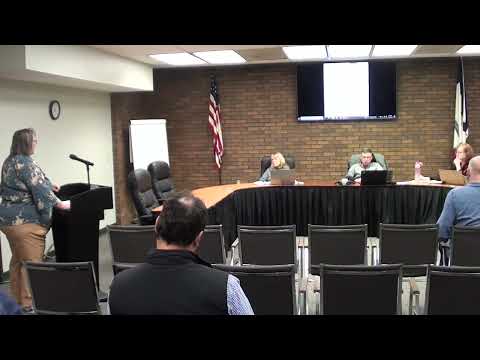
A private inspection firm told the Madison County Board of Supervisors it could provide full plan review and on‑site building inspections under a contract model that places user fees on permit applicants rather than on taxpayers.
"We're the only engineering firm in Iowa that has a building inspection division," Jason Van Hasdell told the board as he described Beanstree's inspection operations. He said the firm currently serves about 34 jurisdictions and that nine counties perform inspections in‑house; if Madison County adopts a code and a contract model, Van Hasdell said, Madison would be the tenth to do in‑house inspections.
Ryan Hobart, the county zoning administrator, introduced the presenters and said the county’s goal was to improve public safety and reduce the risk of costly construction defects. The presenters recommended adopting the International Building Code with targeted local amendments through a code consortium so requirements remain defensible in court. "If you're gonna...do less restrictive things, you need to be able to back that up," one presenter told the board when asked about relaxing code provisions.
On cost, presenters described a user‑based fee model. One speaker summarized permit fees in the county: "We issue a zoning certificate, and that is $350 for a new home," and said inspection fees are set to cover plan review and on‑site inspections so taxpayer accounts are not charged. Contractors and supervisors pressed on typical inspection costs and how fees would affect homeowners; presenters gave a ballpark range for a new single‑family home of roughly $1,200 to $2,500 depending on the number of inspections and scope of work.
Supervisors asked about enforcement when contractors build without permits, whether private contractors can hire inspections, and how the county would adopt and amend codes. Presenters said contracts can include stop‑work authority and that building files are kept permanently and audited periodically — an ISO rating benefit cited as a public‑safety and insurance advantage. Several supervisors said reputable local contractors support adopting inspections as a consumer protection.
No formal decision was made to adopt an inspection contract or ordinance at this meeting; supervisors said the presentation would inform upcoming ordinance review and potential implementation over the next year.