Get Full Government Meeting Transcripts, Videos, & Alerts Forever!
Get email alerts on the County Budget topic
No spam. Unsubscribe anytime.
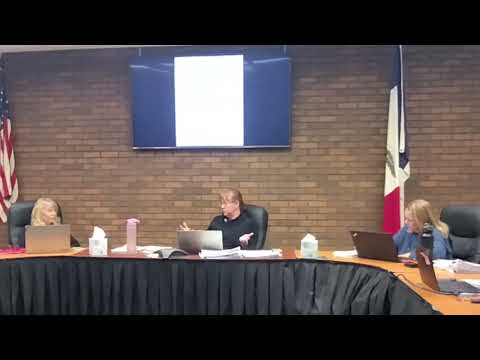
Madison County officials weigh outsourcing, staff changes to lower property taxes ahead of budget hearings
Summary
Unidentified Madison County officials discussed outsourcing janitorial, IT and snow removal, the possibility of reducing raises or positions, and asked staff to prepare cost‑benefit analyses before budget work sessions and public hearings on April 1 and April 21.
Unidentified Speaker 1 said the panel would not cut library funding and opened a broader conversation about ways to reduce county expenses and property taxes, including outsourcing services such as IT, janitorial work and snow removal.
The panel debated tradeoffs between keeping work local and contracting with outside vendors. Unidentified Speaker 2 argued against outsourcing that would send taxpayer dollars outside the county, saying, “I’d rather send my money to, employ people that live here because that’s good for our economy,” while Unidentified Speaker 1 said expanding managed IT services could yield significant savings.
Speaker 1 proposed a near‑term fact‑finding effort: commission cost‑benefit analyses for three categories — IT, facilities/janitorial, and snow removal — so the board could consider options before the next budget meetings. Speaker 1 said the county already uses managed IT services and estimated a full outsourcing could save "about 50%" of current costs, giving an example that a $150,000 cost might reduce to a $70,000–$80,000 annual savings range.
Unidentified Speaker 3 reviewed the county’s history of in‑house grounds and snow maintenance, noting the county previously operated with a small crew (two to three employees plus part time) but that facilities and demand have grown without matching staff increases. He warned that buying equipment and dedicating staff to in‑house maintenance can create long‑term obligations that offset short‑term savings.
The group discussed personnel options if savings do not materialize: eliminating part‑time positions, converting full‑time roles to part time, offering early retirement and, as a last resort, layoffs. Speaker 2 cautioned that buyouts can be costly. The panel also discussed benefits and insurance implications for elected and appointed positions; Speaker 1 emphasized that elected office responsibilities have not been a part‑time workload.
Operational savings from consolidating facilities were raised as a likely recurring reduction: Speaker 1 said moving the public health building would eliminate duplicate phone, internet and utilities costs. To proceed, Speaker 1 offered to compile the ROI on IT outsourcing and asked who would pursue cost estimates for facilities and snow removal.
The group confirmed scheduling for the budget process: a standing meeting next Tuesday, a budget work session on the 26th at 8 a.m., a tax‑notice public hearing for the maximum levy on April 1, and a final public hearing on April 21 at 6 p.m. Speaker 1 asked staff (Terry and Mikayla were named) to have numbers ready for decisions at the upcoming meetings.
The meeting ended with a motion to adjourn; a second was recorded, members voted in favor and the panel adjourned.