Get Full Government Meeting Transcripts, Videos, & Alerts Forever!
Get email alerts on the Special Education Staffing topic
No spam. Unsubscribe anytime.
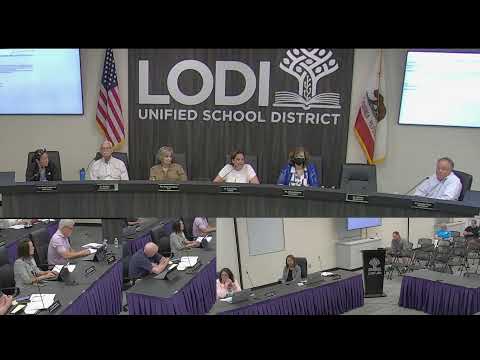
Parents and teachers tell Lodi Unified board the district faces a special-education staffing crisis; board asks for data and solutions
Summary
Multiple parents, teachers and advocates told the Lodi Unified School District board that special-education classrooms are frequently staffed by substitutes and interns and urged the district to hire more certified and emergency-credentialed teachers. The board committed to providing vacancy counts and exploring "out-of-the-box" recruitment options.
Multiple parents, teachers and advocates used the public-comment portion of the Lodi Unified School District board meeting to press the board for urgent action on special-education staffing shortages, saying many classrooms lack stable, credentialed teachers.
Andrew Robson, a parent, said his daughter has not had a certified special-education teacher since preschool and asked how the district is preparing as autism diagnoses rise. "With the rate of autism diagnosis nearly doubling in 10 years, what are you guys doing to prepare for that?" he said, and he requested details on recruitment and hiring efforts and a reply from Superintendent Young.
Tiffany Smith, a parent, described how stable supports changed her son's outcomes and urged the board to invest in more special-education teachers. April Grover, who has autistic triplets, said she visited five campuses this spring and found many classrooms staffed by substitutes; she said she was told there are "30 positions that haven't been filled." Jasmine Sindus McDaniels, co-founder of I RISE, urged hiring educators with emergency credentials, saying many candidates already have training and simply lack paperwork.
Board members acknowledged the concerns and asked staff for additional information. District staff said they would provide a SELPA status and compliance report and promised to email the board the current count of unfilled special-education positions and related staffing data. One board member called the situation a crisis and urged the cabinet and district staff to research unconventional recruitment strategies to address a statewide shortage of special-education teachers.
The remarks came amid related questions about substitute staffing, paraprofessionals and whether positions are filled by district employees or outside contractors. Public commenters also raised funding questions: Andrew Robson noted the district's special-education allocation had increased "an additional $9,000,000" since 2022 and asked why classrooms had not meaningfully changed with those funds.
In response to requests from the board, staff committed to provide: (1) the current number of unfilled special-education positions; (2) a breakdown of special-education staffing by credential type (fully credentialed, emergency permit, intern, substitute, contracted paraprofessional); and (3) information on autism coaches and other specialized supports. The board requested these items be emailed in follow-up and signaled a desire for substantive proposals before the next scheduled meeting.
The board did not take a formal staffing vote at the meeting; instead members requested research and follow-up data from staff and SELPA before returning with specific options.