Get Full Government Meeting Transcripts, Videos, & Alerts Forever!
Get email alerts on the Elections topic
No spam. Unsubscribe anytime.
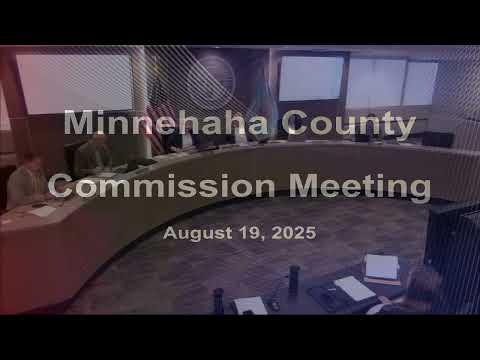
Public raises election equipment and vendor compliance concerns at county meeting
Summary
Multiple public commenters told the commission Election Systems & Software (ES&S) supplied uncertified laptops with modem capability and urged vendor audits and stronger oversight; commissioners acknowledged the remarks but took no formal action at the meeting.
During the public‑comment period several residents urged the commission and county officials to investigate whether election equipment used in recent elections complied with state certification rules. Jean Childs, Cindy Meyer and Gary Meyer spoke at length, citing county records and media reports and urging an immediate audit and review of vendor practices.
Jean Childs defended Auditor Leah Anderson and said the auditor had identified uncertified equipment and raised the issue with county staff. Cindy Meyer and Gary Meyer alleged that the vendor Election Systems & Software (ES&S) provided uncertified laptop models with wireless/modem capabilities and said those devices had been used in multiple South Dakota counties. Meyer told the commission her group believes uncertified EMS machines counted a large share of ballots in the 2024 election and asked for stronger vendor oversight and a statewide review.
Speakers referenced interviews, invoices submitted to the state attorney general and the secretary of state, and an assertion that some vendor models had not been approved by the U.S. Election Assistance Commission and therefore did not meet state certification requirements (transcript cites South Dakota codified law 12‑17B‑2). The public commenters urged the commission to take action; county officials acknowledged receiving the material but did not open a formal investigation during the meeting.
The commission recorded the comments without taking immediate action; some commissioners referenced prior conversations and a meeting between at least one commissioner and the county auditor.
Claims made in public comment remain allegations in the commission record and would require formal investigation or documentation beyond these oral statements to establish compliance or noncompliance with state certification rules.