Get Full Government Meeting Transcripts, Videos, & Alerts Forever!
Get email alerts on the Indigent Defense topic
No spam. Unsubscribe anytime.
Minnehaha County officials urge more staff, strategic plan as public defense caseloads rise
Summary
Public defender and public advocate offices told commissioners rising juvenile and abuse-and-neglect caseloads, staffing shortages and costly private counsel are driving a request for one full-time attorney, office space and strategic countywide planning to hold more cases in-house.
Tracy Smith, public defender for the second judicial circuit, and Julie Hofer of the public advocate's office told the Minnehaha County Commission that growing juvenile and abuse-and-neglect caseloads are stretching both offices and increasing costs for the county.
Smith said the public defender's office staffed 27 attorneys, three investigators, six legal office assistants and seven paralegals in 2024 and handled roughly 71–72% of indigent-defense cases in Minnehaha County; the public advocate handled about 20% and private counsel about 8%. She told commissioners the office filed 4,073 misdemeanor cases and 3,097 felony cases in 2024 and noted a rise in probation-related and nuisance-type misdemeanor filings.
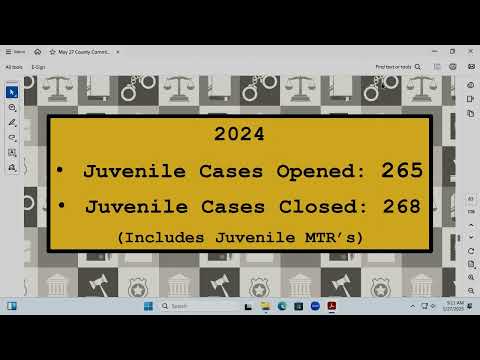
Julie Hofer and a colleague from the public advocate's office described a need for an additional full‑time attorney and conversion of a senior deputy to a trial attorney to cover abuse-and-neglect work and rising juvenile delinquency cases. "We could use an eighth attorney," Hofer said, citing lengthy, document‑intensive abuse-and-neglect proceedings and juvenile hearings that can take multiple days.
Both offices flagged space constraints: Hofer said an estimate exists to convert vault space into five offices and asked that work draw from the building fund; Smith said her office is out of usable space and requested offices for investigators and room for incoming students in August.
Presenters and commissioners discussed long‑term options to reduce spending on private counsel. Smith said cases sent to private counsel cost the county substantially more — private counsel averaged about $1,300 per case in 2024 compared with roughly $431 per case for the public defender's office — and projected indigent‑defense expenditures would grow at about 7.2% per year if current trends continue. Both offices identified conflict rules and ethical obligations as a primary driver that forces cases to go to private counsel when multiple defendants present conflicts.
Commissioners supported forming a strategic committee or think tank involving judges, retired attorneys and stakeholders to assess master campus planning, potential partnerships (including Lincoln County) and the new USD Public Service Pathways program, which would place third‑year law students in public service positions. Commissioner discussion emphasized succession planning for single points of failure, the timing of student placements and the need to explore whether a tertiary conflicts office or intercounty contracts could keep more work in‑house.
Next steps: staff and the offices agreed to share further breakdowns on unique clients versus case counts, space requirements, and options for a joint strategic review to present recommendations to the commission.