Get Full Government Meeting Transcripts, Videos, & Alerts Forever!
Get email alerts on the Housing Element topic
No spam. Unsubscribe anytime.
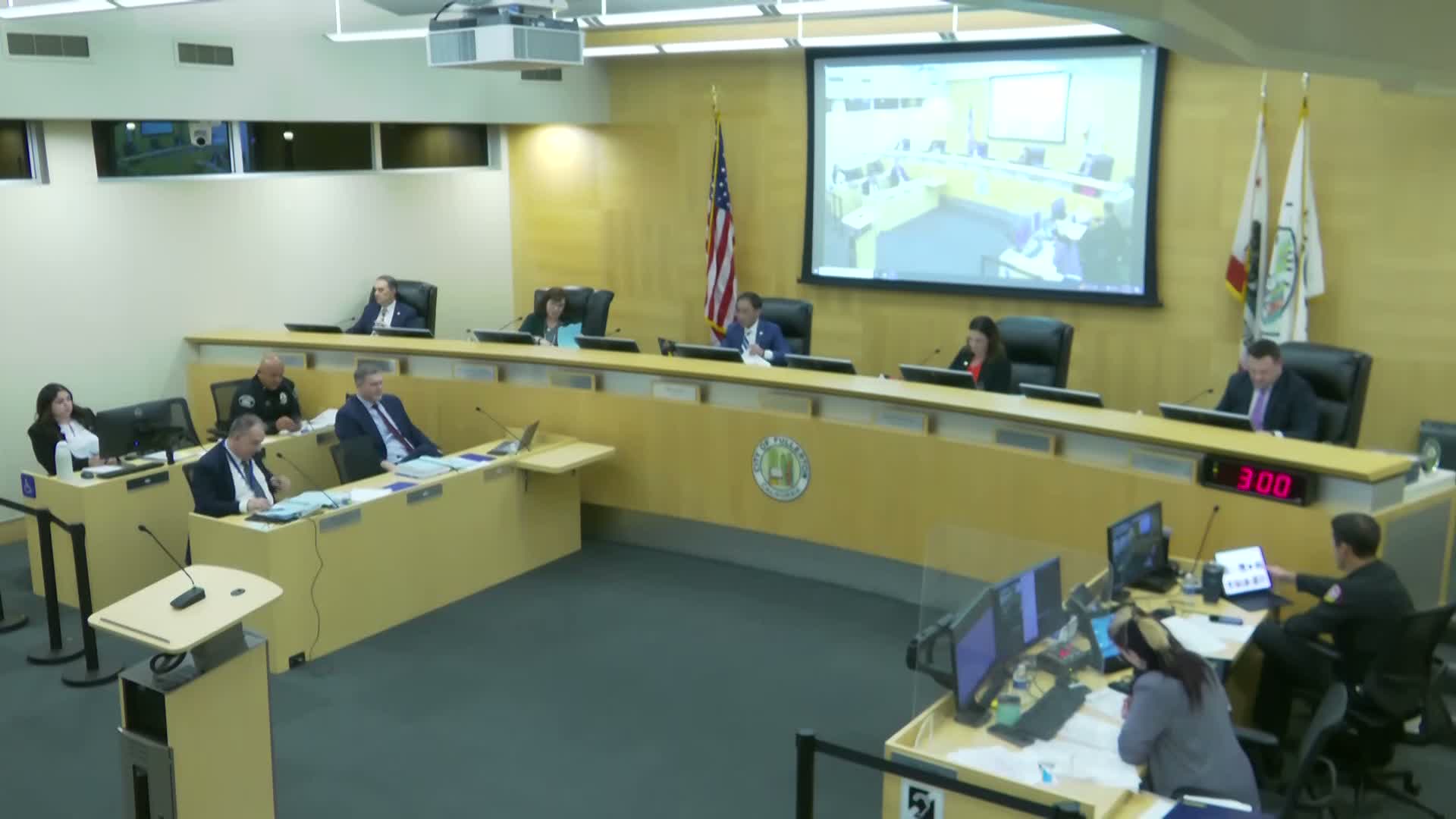
Fullerton council adopts sixth‑cycle housing element, sending plan to state
Summary
The Fullerton City Council unanimously adopted the sixth‑cycle housing element on Jan. 7, approving policies and a sites inventory intended to meet a Regional Housing Needs Allocation of about 13,209 units and directing staff to submit the document to the state for HCD review.
The Fullerton City Council voted unanimously Jan. 7 to adopt the city’s sixth‑cycle housing element — the portion of the general plan that lays out how Fullerton will accommodate its assigned share of regional housing growth.
Director of Community and Economic Development Jane Thomas presented the update, saying the Southern California Association of Governments and the California Department of Housing and Community Development (HCD) set Fullerton’s regional housing needs allocation (RHNA) at roughly 13,209 units for the cycle. Thomas told the council staff identified 205 parcels that could yield an estimated 10,288 new units after accounting for approximately 2,921 existing credits, leaving a small buffer of roughly 111 units.
The presentation described 18 high‑level policy actions and 106 subtasks staff will track and report annually to HCD as part of the housing‑element implementation. Thomas said the document increases affordability requirements for certain projects and requires additional site‑plan or planning‑commission review for projects seeking height exceptions or reduced affordability commitments. She also told the council the housing element is exempt from CEQA under state streamlining provisions cited in the staff report.
Council member Dunlap asked whether the city had an understanding with HCD about penalties or timing. Thomas responded that HCD’s compliance review will take a full look at the element and its implementation measures, and staff anticipates a review period of about 45–60 days; she cautioned that the city may need to negotiate or enter an agreement with HCD if the review runs past funding deadlines in February.
After public comment from residents who urged refinements (including clarifying a height‑table omission and confirming protections for historic corridors), Dunlap moved to adopt the housing element and a second was recorded. The council approved the item on a unanimous roll‑call vote.
The council also directed staff to submit the adopted housing element to HCD for formal review; HCD will issue a compliance or corrections letter after its review period. The city will return to the council with status updates as the department receives HCD’s response and works to meet any follow‑up requirements.
What happens next: Staff will submit the adopted housing element to HCD this week. HCD’s formal review will determine whether the plan complies with state housing law, and the council may need to act on any required revisions identified in the review.