Get Full Government Meeting Transcripts, Videos, & Alerts Forever!
Get email alerts on the Municipal Finance topic
No spam. Unsubscribe anytime.
Fullerton directs staff to prepare two half‑cent sales‑tax measures for roads and public safety
Summary
Council directed staff to develop two 0.5% sales‑tax measures—one for streets/infrastructure and one for public safety—after staff estimated each would generate about $15 million annually; councilors debated sunset clauses, ballot timing and polling before unanimously moving the proposal forward for outreach and ordinance drafting.
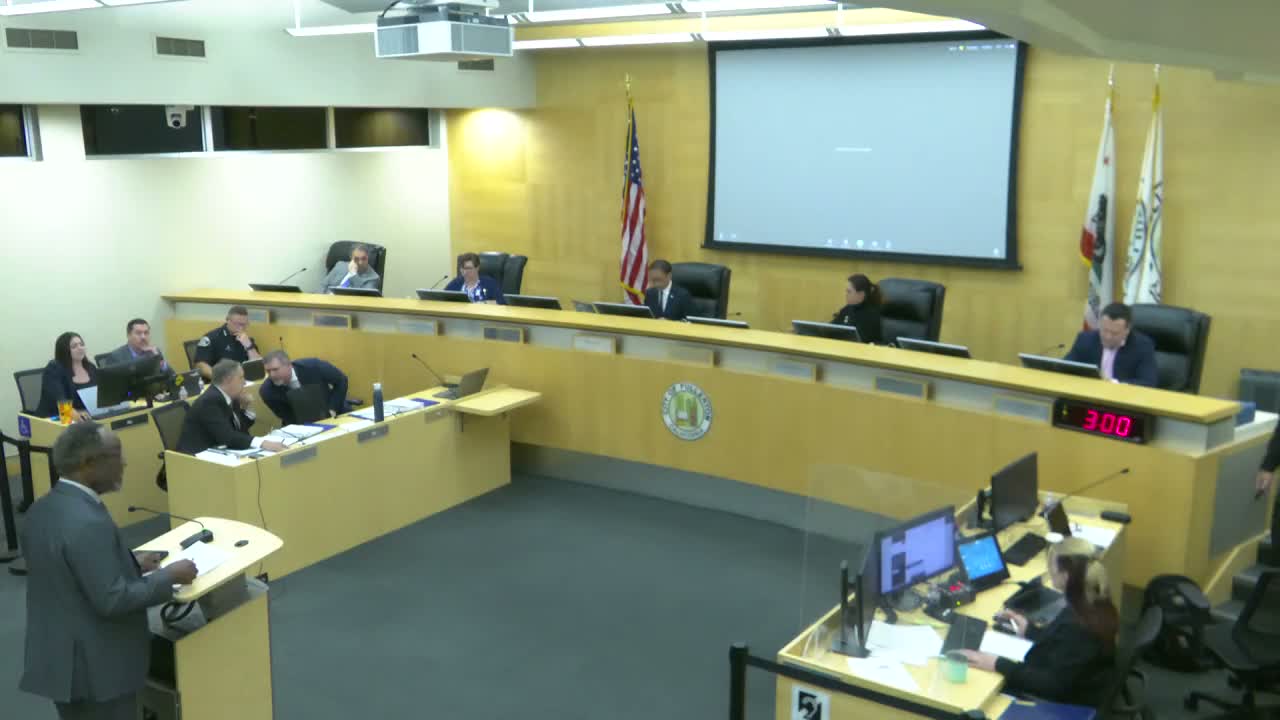
The Fullerton City Council directed staff May 20 to prepare two half‑cent sales‑tax measures for future ballots—0.5% dedicated to streets and infrastructure and 0.5% dedicated to public safety—after staff estimated each measure would generate roughly $15 million annually. The direction was unanimous.
Staff presented three options discussed earlier by an ad hoc committee: two dedicated 0.5% measures (combined 1.0%); a single 1.0% general‑purpose measure (simple majority needed); or a single 0.5% measure. The ad hoc committee was split on options. The council majority chose the two‑measure approach to ensure clear allocation and to address both road maintenance and public‑safety funding shortfalls.
Council members raised procedural questions and policy preferences: some supported a sunset clause to reassure voters; others warned that sunset provisions can undermine approval or create repeated ballot renewals. Several members asked for polling and robust community outreach and recommended creation of oversight provisions and transparent spending rules that protect core general‑fund obligations. Council also asked staff to explore whether the measures could be placed on a future ballot depending on scheduling and legal timing.
What staff said: consultants estimated that a 1.0% combined increase would generate roughly $30.5 million in new sales tax revenue and that existing infrastructure ordinances would allocate a portion of new revenue to streets. Staff were asked to continue community outreach and to craft ballot language, polling and a spending/oversight plan for council review.
Next steps: staff will draft ordinance language, conduct outreach and polling, and return with a recommended timetable and voter‑engagement plan for council consideration.