Legislative auditor warns Yankton County that transfers and mandates could exhaust reserves
Loading...
Summary
A Department of Legislative Audit official told residents and county leaders that transfers out of the general fund and state-imposed duties are squeezing Yankton County's finances; the county faces a multi-million-dollar gap and must consider using reserves, cutting services or seeking legislative relief.
Jeff Schafer of the South Dakota Department of Legislative Audit told a Yankton County public meeting that the county's general fund is only one of several funds and that large transfers to other funds can rapidly reduce cash reserves. "Anything over 1,100,000.0 will reduce your cash balance," Schafer said, advising that the county's recurring revenues grow much more slowly than many of its costs.
Schafer said the county treasurer collects taxes for multiple jurisdictions on a single bill and then distributes shares to schools, cities and townships. "By state law, the county treasurer is charged with collection of all taxes," he said, noting that the county must nonetheless pay for the cost of collection and state-required audits. He also described a recent audit in which one county earned just 0.45% interest on investments compared with 5.45% nearby, calling the gap a management issue the board should address.
Residents and officials pressed Schafer about the county's fiscal picture. Meeting participants cited estimated figures under discussion: about $11 million in revenue versus roughly $15 million in requested expenditures, a gap of about $4 million, and reserves estimated at roughly $5 million. Schafer warned that drawing down reserves to cover structural shortfalls would leave the county vulnerable to emergencies and future cost spikes, particularly for roads and public safety.
Speakers at the meeting described a broad set of state-mandated obligations that consume a large share of county budgets, naming elections, veteran services, court-appointed attorneys, juvenile detention, indigent medical care and other required programs. Several participants said those mandates leave only a small portion of the budget available for local discretionary choices.
Schafer emphasized the limits of his office's authority: the Department of Legislative Audit reports to the legislature and can identify issues for local boards, but changing state law or funding levels requires legislative action. He suggested options the county may consider to address a structural gap: use one-time cash reserves (a short-term fix), implement program and service cuts (often affecting road maintenance), or pursue legislative changes such as local opt-outs or new revenue authorities.
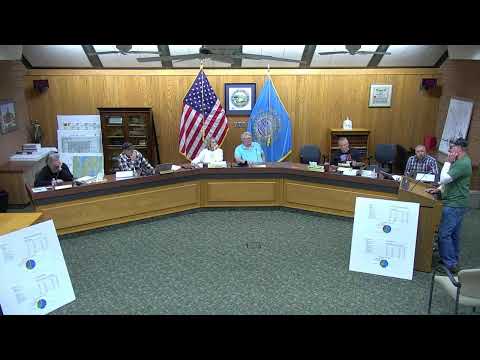
There were no formal votes or motions reported at the meeting. Schafer said the county audit under his office was not yet final; he expected to complete the current audit soon and noted earlier audit communications had been shared with the board. Residents pressed for clearer public information, including a pie chart showing how a typical property tax bill is allocated across schools, townships, cities and the county.
The meeting closed with public comments urging the board to press legislators for relief and to provide the public with more comparative data on levies and budgets.