Get Full Government Meeting Transcripts, Videos, & Alerts Forever!
Get email alerts on the Public Testimony topic
No spam. Unsubscribe anytime.
At Salem hearing, labor and local governments press for LC 2 as opponents demand audits and alternatives
Summary
In testimony at the Aug. 25 hearing, county officials, mayors and unions largely supported LC 2 as a short-term fix to avoid layoffs and preserve local road services; opponents urged audits, re-prioritization of existing funds and warned of the bill—s economic burden on households and businesses.
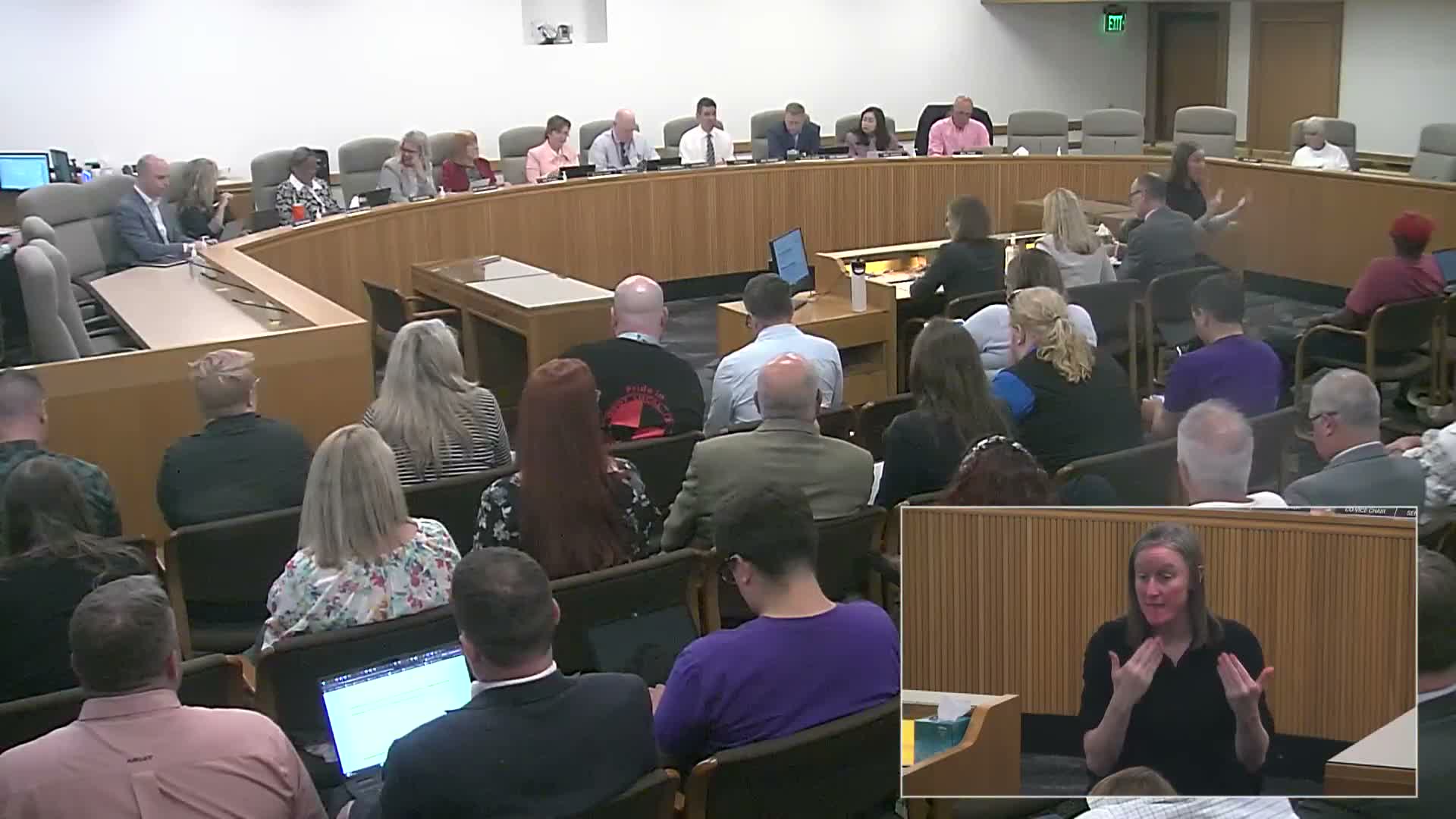
Supporters and opponents of LC 2 gave more than three hours of testimony at the Joint Interim Committee on Transportation on Aug. 25.
Speakers for the measure—county commissioners, city mayors, public works directors, transit providers and union leaders—focused on near-term operational impacts: preserved staffing, plowing and incident response, and the continued ability of counties and cities to maintain local roads under the 50-30-20 funding split. Jason Lawrence, a union vice president representing ODOT crews, told the committee LC 2 "will save nearly 500 ODOT workers from layoffs" and buy time for longer-term solutions. Multiple county officials cited specific dollar estimates for their jurisdictions— shares and described deferred-maintenance backlogs that would worsen without action.
Opposition testimony emphasized cost to households and alleged agency mismanagement. Several speakers cited a $1.1 billion reporting error and long-running project cost increases as reasons to demand a forensic audit or tighter oversight before new revenue is approved. Others urged lawmakers to reallocate existing dedicated funds where legally possible, and to explore statutory changes that would free up non‑highway revenue for operations.
The hearing record reflects a large number of written comments submitted before and during the session; committee members said they would review those submissions, seek technical follow-up from agency staff and resume public testimony Friday during the special session.
Ending/next steps: committee requested more written technical responses from the governor—s office and legislative staff and will take additional testimony at a scheduled hearing Friday; no vote was taken Aug. 25.