Get Full Government Meeting Transcripts, Videos, & Alerts Forever!
Get email alerts on the Transportation Funding topic
No spam. Unsubscribe anytime.
Governor's LC 2 would raise fees and taxes to avert ODOT layoffs; supporters and critics clash at Salem hearing
Summary
At a public hearing Aug. 25, the governor's advisor and legislative fiscal and revenue offices outlined LC 2—a package of tax and fee changes intended to stop ODOT layoffs and preserve maintenance services—while hundreds of residents, local officials and union members offered sharply divided testimony.
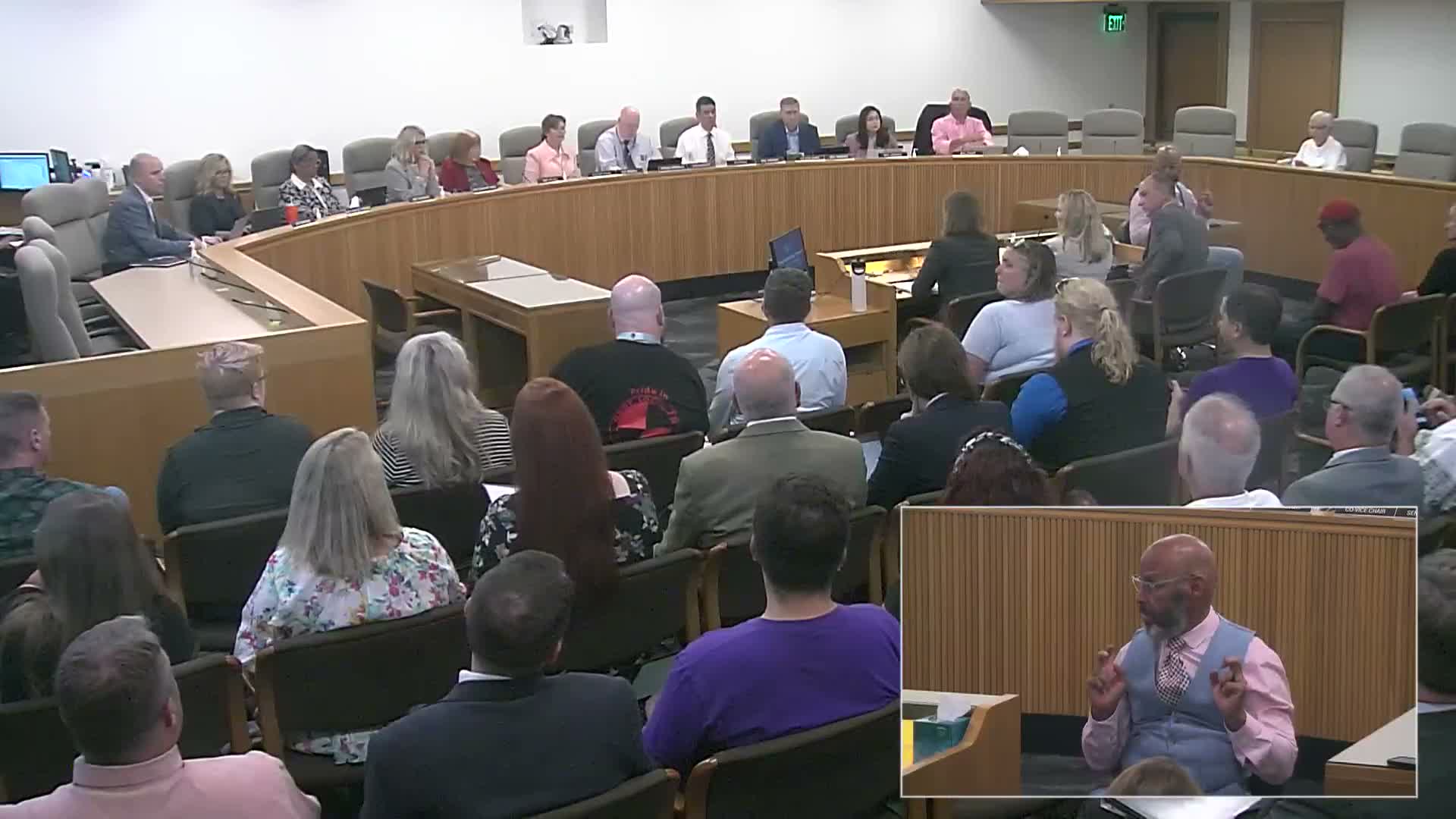
A joint interim committee on transportation heard three hours of presentations and public testimony on Aug. 25 about LC 2, a short-term transportation funding package the governor has proposed to prevent layoffs at the Oregon Department of Transportation and keep maintenance yards open. The measure would increase several taxes and fees and add new collection mechanisms, while inserting additional oversight of ODOT's performance.
Kelly Brooks, Governor Kotek—s transportation advisor, told the committee the proposal—s goal is to "stop the layoffs and the facility closures, maintain the 50-30-20 split with local governments, and support stabilization of transit service." Brooks said the administration—s payroll and program review showed 449 vacant positions and 483 planned layoffs for a combined 932 job impacts as presented to the committee, and that LC 2 is designed to preserve frontline maintenance and DMV customer-service staffing first.
The core fiscal elements described in the hearing materials include a 6-cent increase in the gas tax; a $42 increase in the base vehicle registration fee; a $139 increase in the base title fee; higher supplemental registration fees for some high‑efficiency vehicles; and an increase in the payroll tax that funds statewide transit. The bill would also make the existing Road Usage Charge (RUC) program mandatory for certain vehicles, allow a flat-fee RUC option (presented at $340 in the materials), repeal the mandatory-toll provisions in ORS 383.150, and simplify and restructure heavy-vehicle (weight‑mile) taxation while introducing a diesel fuel tax and moving collection to the rack to reduce evasion.
Legislative fiscal and revenue staff described their preliminary numbers. Amanda Bridal of the Legislative Fiscal Office summarized the fiscal-impact documents posted on OLIS, noting preliminary implementation costs in the 2025–27 biennium (including general‑fund and other‑fund amounts and 22 positions), and larger other‑fund costs and positions in subsequent biennia. Bridal said the additional State Highway Fund revenues deposited under LC 2 were projected to cover expenditures in ODOT—s adopted budget and produce a notional ending balance (presented in materials at about $87 million), while cautioning the figure would vary with actual revenues and expenditures. Chris Alenak of the Legislative Revenue Office presented preliminary revenue estimates of roughly "just under $800 million" for 2025–27 in total revenue impacts, with about $587 million to the highway fund in that partial biennium and higher figures projected in later years; he described the numbers as preliminary and still subject to technical adjustments.
Committee members asked for follow-up detail on points including how vacancy savings adopted in the agency—s budget interact with LC 2 revenue, whether non‑highway funds could be redirected instead of new taxes, how many road miles might go unplowed without the package, and how emergency response would be affected if maintenance staffing were reduced. Panelists answered several technical questions and offered to supply additional, written follow-up before the committee—s next hearing.
Public testimony stretched through the evening and included a broad cross-section of voices. County and city officials, transit providers, labor unions and many public‑works directors urged passage, saying local governments and rural districts depend on consistent state funding and that LC 2 would prevent layoffs and preserve emergency responses and plowing capability. For example, representatives of the Association of Oregon Counties and cities said LC 2 preserves the long‑standing 50‑30‑20 distribution and would materially help maintain local road services; union leaders and ODOT employees described frontline maintenance crews as first responders and warned that layoffs would reduce emergency capacity.
Opponents ranged from small‑business owners and residents to fiscal watchdogs who argued the state should fix perceived mismanagement at ODOT before raising new revenues. Some speakers cited recent reporting errors and long‑running project cost growth as reasons to demand audits, more accountability, or reallocation of existing funds rather than new taxes. Many opposed the package—s registration and payroll tax increases, saying they would unduly burden households and small businesses.
No committee vote was taken Aug. 25. Members said they would collect additional technical follow-up from panelists, take more testimony at a scheduled hearing Friday, and continue deliberations during the special session. The committee—s public record remains open for written comments and submitted materials posted to OLIS.
Sources and documentation: public hearing presentation materials and fiscal/revenue summaries posted by the Legislative Fiscal and Revenue offices, oral testimony to the Joint Interim Committee on Transportation on Aug. 25, 2025. Ending/next steps: the committee will reconvene for additional testimony and technical follow up; no final legislative action occurred at this hearing.