Lifetime Citizen Portal Access — AI Briefings, Alerts & Unlimited Follows
Stakeholders press for clearer, simpler rules to spur urban reserve use
Loading...
Summary
Stakeholders urged rule changes and incentives to increase use of urban reserves, arguing current draft rules risk prioritizing farm/forest protection over housing production and that cost and administrative burdens deter cities from adopting reserves.
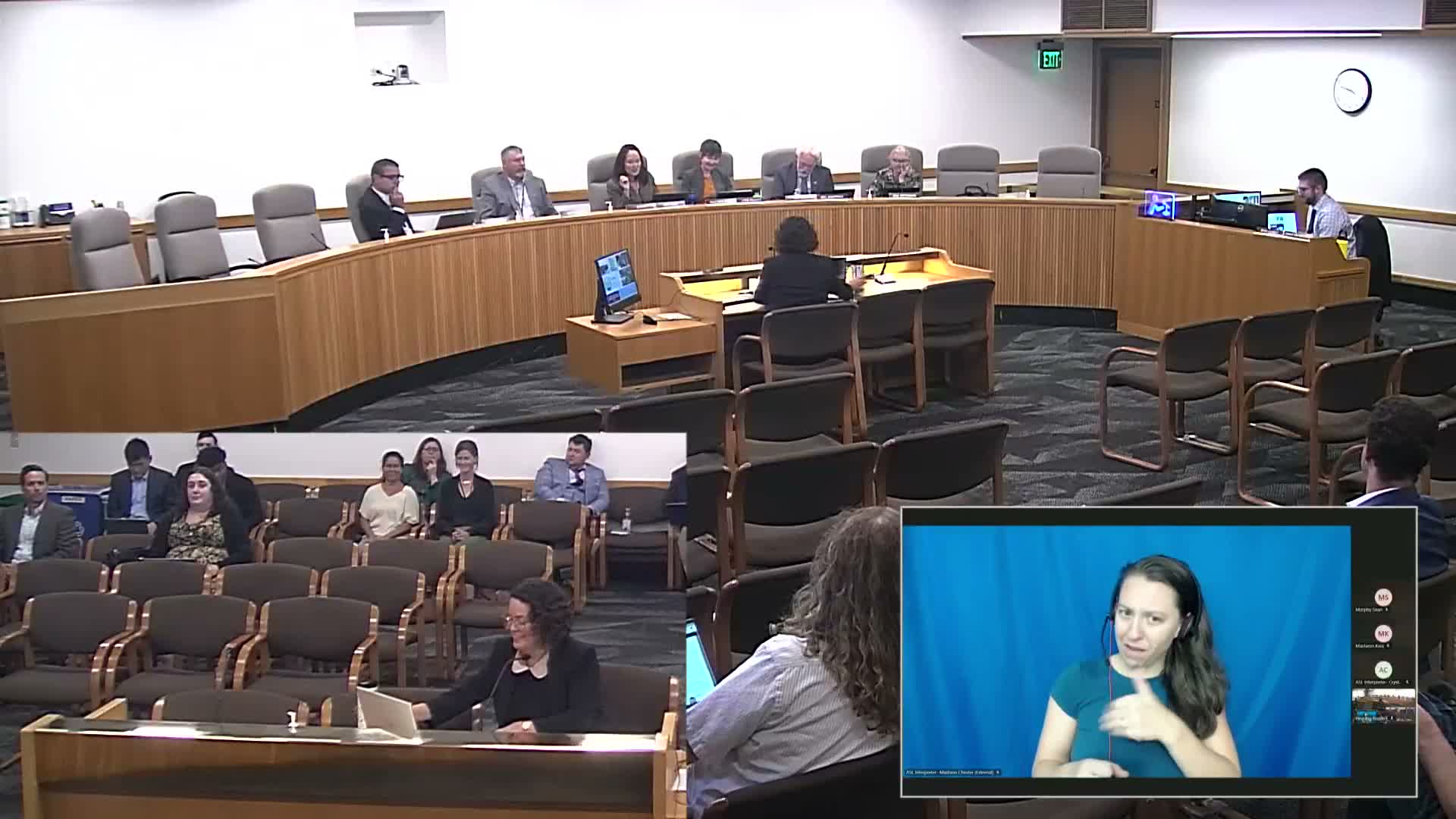
The Senate Interim Committee on Housing and Development held an informational hearing Sept. 29 on proposed urban reserve rule changes intended to implement legislative direction in House Bill 11 29 and portions of the Oregon Housing Needs Analysis.
Karen Chapman (Department of Land Conservation and Development) described proposed clarifications to the urban‑reserve rules that align division 21 and division 24 language, add prioritization within category 1 parcel types, and incorporate infrastructure cost into a prioritization scheme. She said urban reserves provide a 50‑year planning horizon and "provide certainty and...forward long range planning" for both cities and industries such as agriculture and forestry.
Speakers at the hearing differed on whether the draft rules match statutory intent. Ben Gordon, executive director of Central Oregon Land Watch, called urban reserves a "powerful tool" that is underused and urged the committee to consider incentives—financial or technical—to increase uptake. Alexandra Ring, housing and land use lobbyist for the League of Oregon Cities, said the draft rules omit statutorily required urban reserve factors (citing ORS language) and risk importing the prioritization framework used for urban growth boundary (UGB) amendments, which she said could place goals protecting farm and forest lands ahead of housing production.
Eric Chancellor (City of Bend) emphasized the changes SB 11 29 intended: allow cities to de‑prioritize subdivided/partitioned exception or non‑resource lands, and allow cities to lower priority for lands where providing urban services is not reasonable or cost‑effective. Dave Honeycutt (Oregon Property Owners Association) urged the legislature to direct agencies to follow statutory criteria in chapter 197 rather than adopt administrative rules that differ from statute.
Committee members asked what tools and resources would make urban reserves practical for more jurisdictions. Speakers recommended simplifying administrative rules, providing legal certainty and capacity (staffing and funding) and calibrating the proposed 80 percent consumption rule that prevents cities from tapping second‑generation reserve lands before using most of the first generation.
No formal action was taken; testimony and committee questions focused on aligning rules with statutory intent and lowering barriers so more cities will choose to designate urban reserves.