Get Full Government Meeting Transcripts, Videos, & Alerts Forever!
Get email alerts on the Oda Forest Health topic
No spam. Unsubscribe anytime.
Oregon Department of Agriculture seeks $136,500 for forest‑health monitoring; lawmakers press on Japanese beetle and tanoak disease
Summary
The Oregon Department of Agriculture requested retroactive approval of a $136,500 US Forest Service capacity grant to support statewide invasive‑species and forest‑health work; committee members pressed ODA on Japanese beetle monitoring gaps and sudden oak death containment plans.
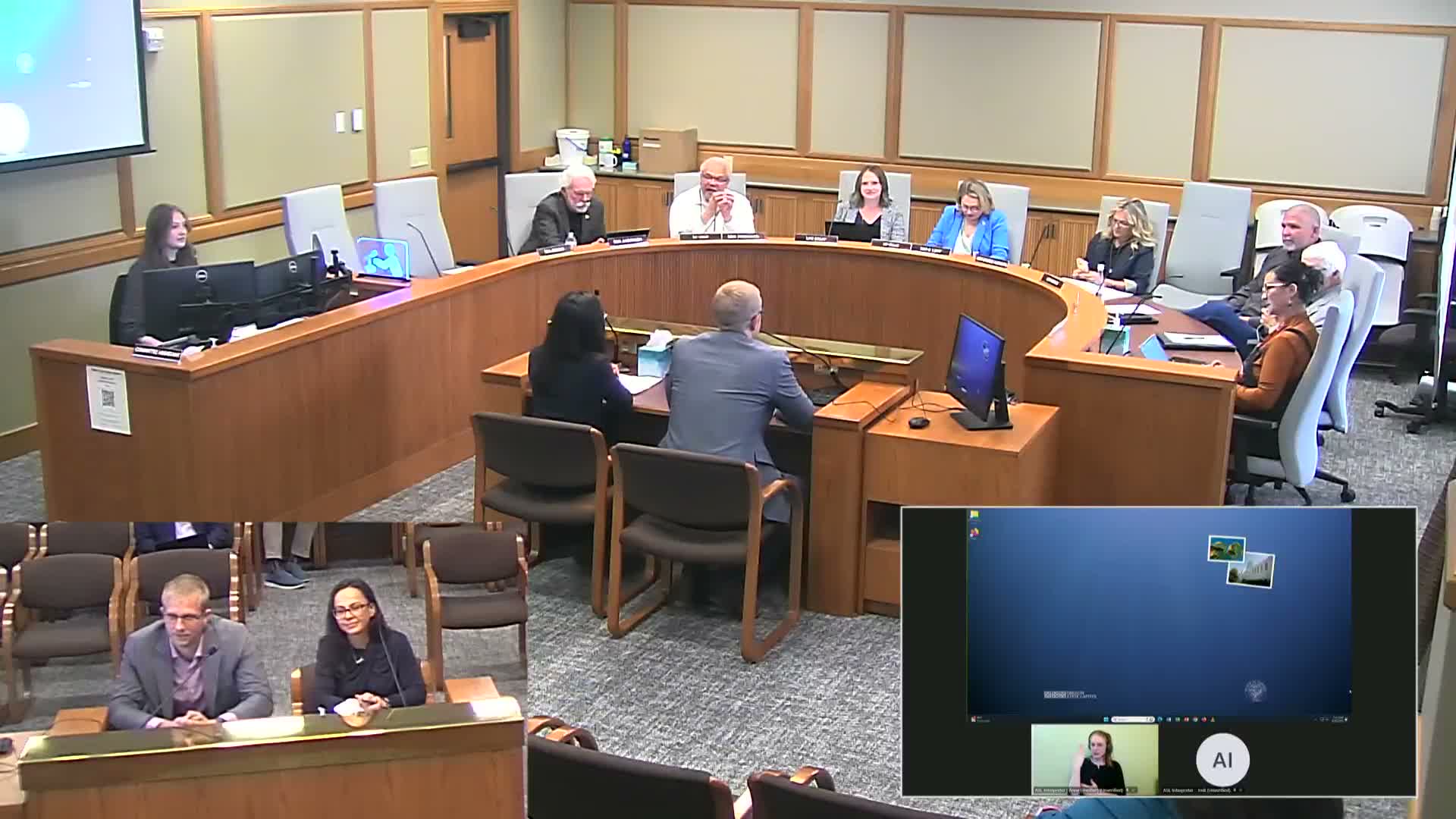
The Oregon Department of Agriculture on Sept. 30 asked the Natural Resources Subcommittee to retroactively authorize a $136,500 non‑competitive grant from the U.S. Forest Service to expand capacity for ongoing forest‑health work.
Deputy Director Jonathan Sandow told the subcommittee the funds augment existing plant‑protection efforts and will support three core projects: noxious weed control across an anticipated ~75,000 acres, early detection and rapid response for exotic wood‑boring beetles (including surveillance and specialist identification), and regulatory and quarantine work related to sudden oak death in Curry County. Division Director Chris Beneman said the funds are meant to build capacity rather than create a new program and that project activities will be coordinated with counties and federal partners.
Members voiced strong concern about Japanese beetle monitoring after a legislator reported traps were being removed in a neighborhood. Beneman said Japanese beetle funding has historically been one‑time authorization; the department has no ongoing position authority for the 2025–27 biennium and will work with LFO to define a resource package if the legislature provides funding in a future session. On sudden oak death, Beneman and Sandow said the pathogen remains present in Curry County and that tanoak — the pathogen’s principal host in Oregon — has a restricted distribution that is a limiting factor for statewide spread. Regarding emerald ash borer, Beneman said eradication is not feasible and that the state and local partners are focusing on education and local response planning.
Legislative Fiscal Office and DAS Chief Financial Office staff recommended approval. The subcommittee approved the LFO recommendation by voice and asked ODA to follow up in writing for the record and to work with LFO on any proposed package for Japanese beetle monitoring and staffing.
Next steps: ODA will coordinate with LFO on a clarified resource request and post any written follow‑up to OLIS.