Get Full Government Meeting Transcripts, Videos, & Alerts Forever!
Get email alerts on the PERS Actuarial topic
No spam. Unsubscribe anytime.
PERS preliminary actuarial changes reduce accrued liabilities by $1 billion but members warned employer rates may still rise
Summary
The committee received PERS preliminary methods and assumptions that cut accrued liabilities by about $1 billion (from $109.7B to $108.7B) and estimated a 0.5% reduction in employer contribution rates from updated assumptions, while staff warned employer rates may still increase due to expiring side accounts and financing changes.
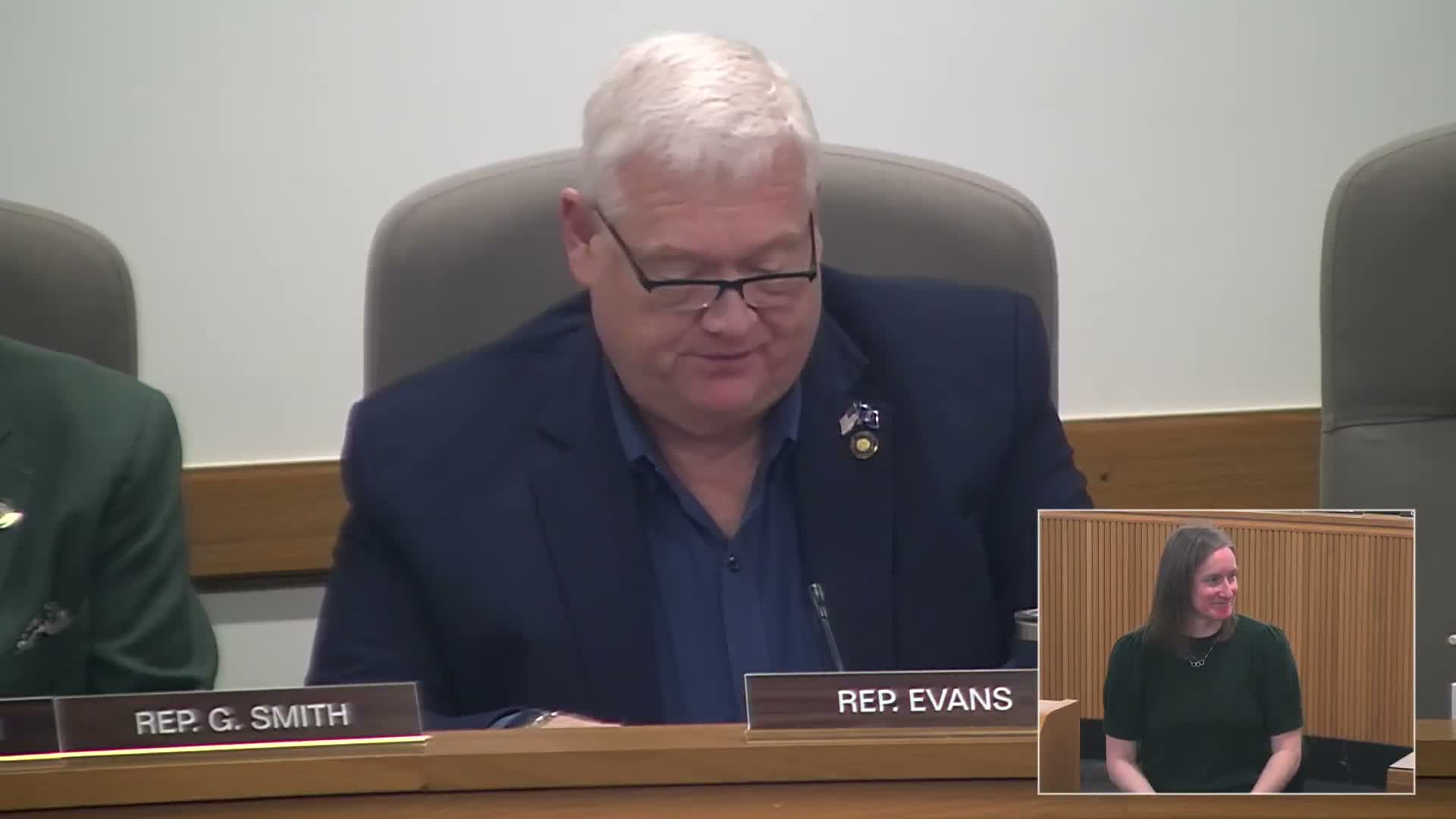
The Joint Interim Committee on Ways and Means heard a report from the Public Employees Retirement System on Oct. 1 outlining preliminary changes to actuarial methods and assumptions. Representative Evans presented the board’s recommended demographic assumption updates that the PERS Board reported would reduce accrued liabilities by about $1,000,000,000 (from $109.7B to $108.7B) and yield an estimated 0.5% reduction in employer contribution rates for the employer rate‑setting cycle. The PERS Board must report at least 30 days before final adoption of methods and assumptions.
Committee members raised process questions about timing: Representative Compurg and others asked whether the report was provided to committee staff or all members in time to meet the 30‑day notice expectation, noting PERS adopted the assumptions Sept. 26 and committee receipt was Oct. 1. Senator Druck referenced media reports highlighting expected rate increases for school districts and local governments and asked staff to explain the differences between the costing of benefits and financing of benefits.
John Borden of the Legislative Fiscal Office explained the two‑part picture: the actuarial costing of benefits can reduce liabilities, but financing (which sets employer contribution rates) can show higher rates because side accounts that previously offset rates are expiring; that expiration is driving anticipated statewide rate increases even while actuarial assumptions lower accrued liabilities. Borden said systemwide side accounts had about $5,000,000,000 in balance and roughly 80% were expiring, reducing offsets by about $1,000,000,000.
Why it matters: Changes to PERS actuarial assumptions and the expiration of side accounts both affect employer contribution rates for state and local governments and therefore local budgets and services.
Committee action: The subcommittee recommended acknowledging receipt of the report; members requested additional follow‑up and clarification from PERS and legislative counsel on reporting requirements.