Get Full Government Meeting Transcripts, Videos, & Alerts Forever!
Get email alerts on the Child Safety Zones topic
No spam. Unsubscribe anytime.
BOCES Child Safety Study Could Add ~369 Aid-eligible Riders, District Estimates Up to $500K+ in State Aid
Summary
The board accepted a BOCES child safety zone report that identifies routes making roughly 369 additional students eligible for state aid; assistant superintendent Silver estimated the change could yield a half-million dollars or more per year in additional state aid when fully in effect.
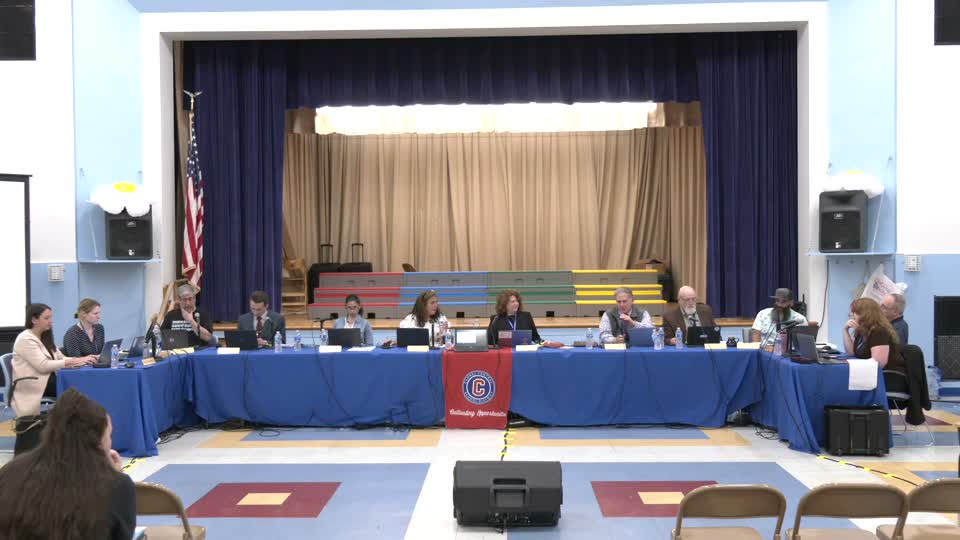
The Carmel Central School District Board accepted a child safety zone study produced by Franklin-Access Hamilton BOCES on June 10.
Assistant Superintendent Mr. Silver explained the study identifies walking routes that meet state criteria for busing eligibility and state aid. He said the district has determined routes that will make approximately 369 additional children eligible for state aid; many of those students already ride buses but were not previously aid-eligible. Mr. Silver estimated the district could receive "perhaps as much as a half a million dollars or more every year in additional state aid" once the plan is implemented and state aid is realized in subsequent budget years.
Mr. Silver said the study uses a point-based methodology; routes scoring 12 points on any bus route can become eligible for state-aided busing (potentially allowing state aid even if students are bused short distances). The board approved the acceptance of the report and authorized district staff to notify families and register eligible riders as needed for the next school year.
Next steps: administration will communicate route and registration details to families, and the district will incorporate the anticipated state aid in future budget planning.