Get Full Government Meeting Transcripts, Videos, & Alerts Forever!
Get email alerts on the Public Health Transportation topic
No spam. Unsubscribe anytime.
Hardin County public health officer outlines plan to ease medical-appointment transportation barriers
Summary
Amanda of Hardin County Public Health told county officials the community health assessment found gaps in medical transportation and proposed coordinating with clinics, PeopleRides and volunteer groups to offer free or reduced-cost rides for residents with medical needs; she said she is not requesting county funding now and is exploring grants.
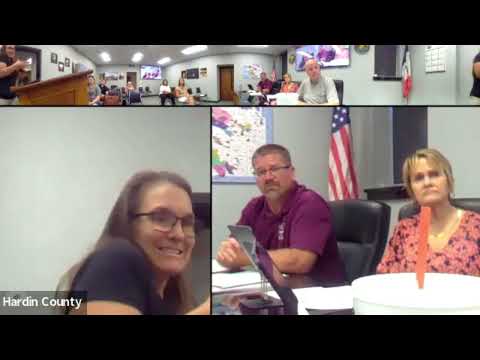
Amanda, a public-health official with Hardin County Public Health, told county officials on July 23 that the county—s community health assessment identified a significant need for reliable transportation for medical appointments.
"During our community health assessment, it was determined ... that we have a great need for community transportation," Amanda said, adding that the aim is to "offer transportation at a free or reduced cost to those people who need it for medical reasons." She said she has contacted local providers including McFarland Clinic and UnityPoint Clinic to explore partnerships.
The presentation detailed why residents miss appointments: Medicaid may cover some transportation but Medicare and private insurance do not, and a typical round trip can cost about $30. Amanda noted many rural residents lack driver's licenses or family support and that the cost burden leads to missed preventive care and a "snowball effect" of worsened health and higher emergency use.
Amanda outlined an operational concept that would divide the county into service zones and offer scheduled ride windows (for example, certain towns served Wednesdays, 9 a.m. to 1 p.m.) so clinics and hospitals could coordinate. She said volunteer drivers were considered but raised concerns about liability and accessibility for wheelchair users; she described PeopleRides (the county's regional transit partner) as a potential option but said rural pickup volume is low and the effort remains in early planning after three meetings.
"At this point, I'm not asking the county for any money," Amanda said, describing the work as outreach to clinics, community organizations and potential grant sources. She suggested pursuing grants and local partnerships to reduce or eliminate the out-of-pocket $30 round-trip cost for fixed-income residents.
County members commended the outreach and encouraged coordination with towns and regional transit while noting small-town budgets are tight. Amanda said next steps include continued conversations with providers and partners and seeking grant opportunities; no formal county action or funding request was taken at the meeting.