Get Full Government Meeting Transcripts, Videos, & Alerts Forever!
Get email alerts on the Animal Services Ordinance topic
No spam. Unsubscribe anytime.
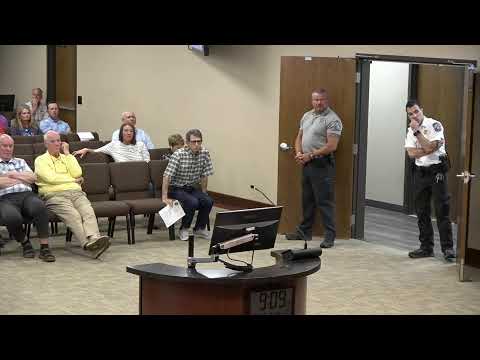
Lincoln County tables rewrite of animal-services ordinance after hours of public comment on proposed exotic-animal ban
Summary
After more than an hour of public testimony, commissioners voted to table a proposed complete rewrite of Chapter 92 — including a newly added exotic-animal provision — and requested original advisory-board materials so staff can clarify exemptions, fees and vaccination rules.
Megan Gilbert, the county staffer who introduced a complete rewrite of Chapter 92 of the Lincoln County Code, said the "hot topic" in the draft was the portion addressing exotic animals and that staff had added language exempting "any animal ordinarily available for purchase at a pet store in North Carolina." She told commissioners the change was intended to prevent common pets such as hamsters and pet-store birds from being swept into the exotic-animal definition.
The rewrite drew lengthy public comment from animal owners, breeders and advocacy groups. Phil Goss, president of the United States Association of Reptile Keepers (USARK), told the board the ordinance as drafted would be "a ban on almost all pets other than cats and dogs," arguing the language used "or" in the dangerous-exotic definition would capture any species not native to North Carolina. Several speakers, including Jesse Putnam and others who said they keep reptiles or birds, warned the change could criminalize long-standing, permitted activity and harm conservation and research partnerships.
Other speakers pressed staff on enforcement and civil-liberty issues. Timothy (Tim) Davis thanked staff for the newly added clarifying language but asked whether the ordinance would permit warrantless seizures "so long as an animal is within sight of an animal services officer or a law enforcement officer," and warned that vague phrasing could be misapplied. Tracy King, who said she has owned a chimpanzee in Lincoln County for 32 years, said she and other longtime owners felt misled and asked how the proposal moved from a rewrite to what they believed functionally was a ban.
County staff said the board had directed a shift toward a ban in the exotic section and that the advisory board and animal services staff had been involved in drafting. Commissioners repeatedly noted outstanding practical questions raised by speakers: who sets mandatory vaccines, how fee schedules would be applied (fees were removed from the ordinance and would be set in the annual fee schedule), which owners would be grandfathered and how notification to emergency responders would work.
Faced with those questions, the board voted to table the ordinance and requested the original document referenced by several public speakers for comparative review. The motion to table passed by voice vote; no ordinance changes were enacted at the meeting. The board also asked staff to return with clarifying language on exemptions, vaccine authority, and a clear statement of who would be grandfathered.