Get Full Government Meeting Transcripts, Videos, & Alerts Forever!
Get email alerts on the Education Finance topic
No spam. Unsubscribe anytime.
Lincoln County holds public hearing on St. James Elementary financing as residents raise mold, safety and transparency concerns
Summary
At a public hearing on financing for a St. James Elementary expansion, county staff said the package would have a not‑to‑exceed amount of $13 million with expected financing near $11.1 million; public commenters raised concerns about school building conditions, alleged mold and maintenance shortfalls and urged greater transparency in appointments to county boards.
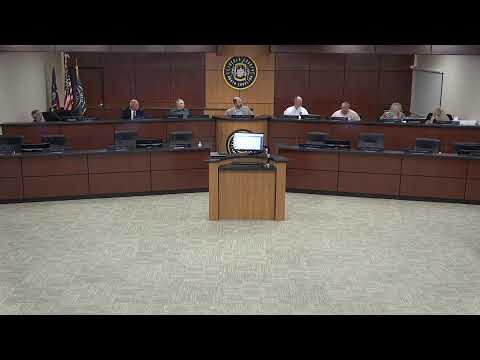
Lincoln County commissioners opened a public hearing in June on proposed financing for an expansion of St. James Elementary School.
Deanna Rios, who presented the financing item, said the county has a 'not to exceed' financing price of $13,000,000 and that the likely financed amount would be nearer $11,100,000 once fees and final structuring are determined: "we have a not to exceed price of, I believe, it's 13,000,000, although I believe we're only gonna finance 11,100,000 or something like that," she told the board. Deanna also said the Local Government Commission review is expected in August and that some school expenditures may be reimbursed earlier if the reimbursement resolution is adopted.
Only one speaker was signed up during the hearing portion: Gunny Hall addressed the board and mixed religious commentary with questions about school spending priorities. After the hearing portion closed, the meeting proceeded through the consent agenda and later opened a general public‑comment period where multiple residents raised education and facilities concerns.
During the public‑comment period Jessica Putnam said, "You've discussed spending up to 13,000,000 to expand Saint James Elementary School. Are you aware that aside from North Lincoln High School that all Lincoln County schools have a problem with black mold?" Putnam presented allegations of recurring leaks, ceilings falling, HVAC systems running hot, and claims that some employees had been told not to drink the water because of lead, and she offered photographs and anonymous statements she said she would share with staff.
Hannah Houser urged the board to increase outreach and transparency around vacancy notices for citizen boards and recommended practices such as a 30‑day advertising rule, public annual one‑page reports from boards, and term limits for committee chairs to broaden civic participation. Sydney Wolfe spoke against a proposed exotic‑pet ban and said animal‑services enforcement had been inconsistent; Wolfe also raised concerns about policy priorities.
After public input the board adopted the financing resolution as presented. The reimbursement resolution (adopted separately) allows the county to reimburse school expenditures incurred before financing closes. Deanna said the financing timeline calls for an LGC submission in August with funding expected in mid‑August to mid‑September depending on approval timelines.
What happens next: The county will submit financing documents to the Local Government Commission in August; staff said the transaction should be closed and funded after LGC review. Public commenters asked staff to investigate and report on alleged facility problems and maintenance practices; the transcript records requests and allegations but does not include documentary confirmation of mold, lead, or the specific work‑order history.