Get Full Government Meeting Transcripts, Videos, & Alerts Forever!
Get email alerts on the Housing Enforcement topic
No spam. Unsubscribe anytime.
Residents urge Kennett City Council to pair housing-ordinance enforcement with tenant protections
Summary
At a Kennett City Council meeting, multiple public commenters urged the council to strengthen enforcement of the city’s housing ordinance while putting plans in place to protect tenants facing displacement; speakers detailed uninhabitable units, utilities shutoffs and landlords who are unlicensed, and asked for concrete remedies.
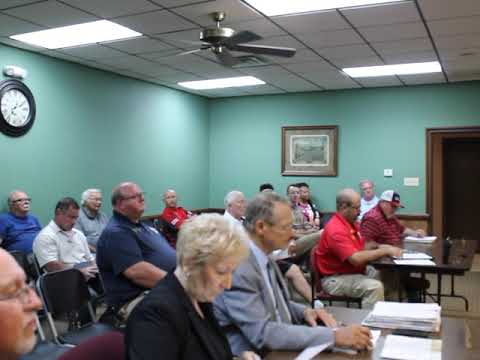
Several Kennett residents used the public‑comment period at the City Council meeting to press the council for stricter enforcement of the city’s housing ordinance and for practical measures to protect tenants who could be displaced.
“Sheila Dirk, a longtime resident and teacher, said enforcement has been weak and that revoking licenses and allowing landlords to reapply every two weeks creates a ‘revolving door’ that lets negligent landlords continue to operate. “It is the tenants paying for this price,” she said, and urged the council to adopt “real consequences for landlords who refuse to maintain safe housing.”
Dirk said the town has both landlords who “maintain their properties” and others who have ignored responsibilities for more than a year. She warned that tenants — including seniors and families — would have nowhere to go if homes are red‑tagged and enforcement results in immediate displacement.
“I firmly believe you all want a safe, affordable city,” Dirk said, but added that “enforcement without any viable solutions leaves our most vulnerable with nowhere to go.” She urged the council to pair enforcement with “a real practical plan to protect our tenants.”
Reverend Diana Chapman of Saint John African Methodist Episcopal Church said she had personally inspected some 105 homes and that “maybe 12 to 13 are uninhabitable,” citing lack of running water, broken plumbing, exposed wiring and other habitability issues. Chapman described cases in which utilities were in landlords’ names and tenants were told they could not pay partial amounts to keep service on.
Chapman said she has collected receipts and photographs and has contacted other agencies for help, and she urged the council to consider outside assistance because, she said, “this is bigger than us.”
Council members did not take formal enforcement action during the meeting. The comments were presented during the public‑comment portion of the agenda; speakers asked the council to combine firm enforcement of the housing ordinance with tenant‑centered solutions to avoid creating homelessness for vulnerable residents.
Council members did not announce a timeline for additional action on enforcement during the meeting.