
Laconia School District reports broad summer and after‑school reach as Learning Office outlines expansion plans
Get AI-powered insights, summaries, and transcripts
Subscribe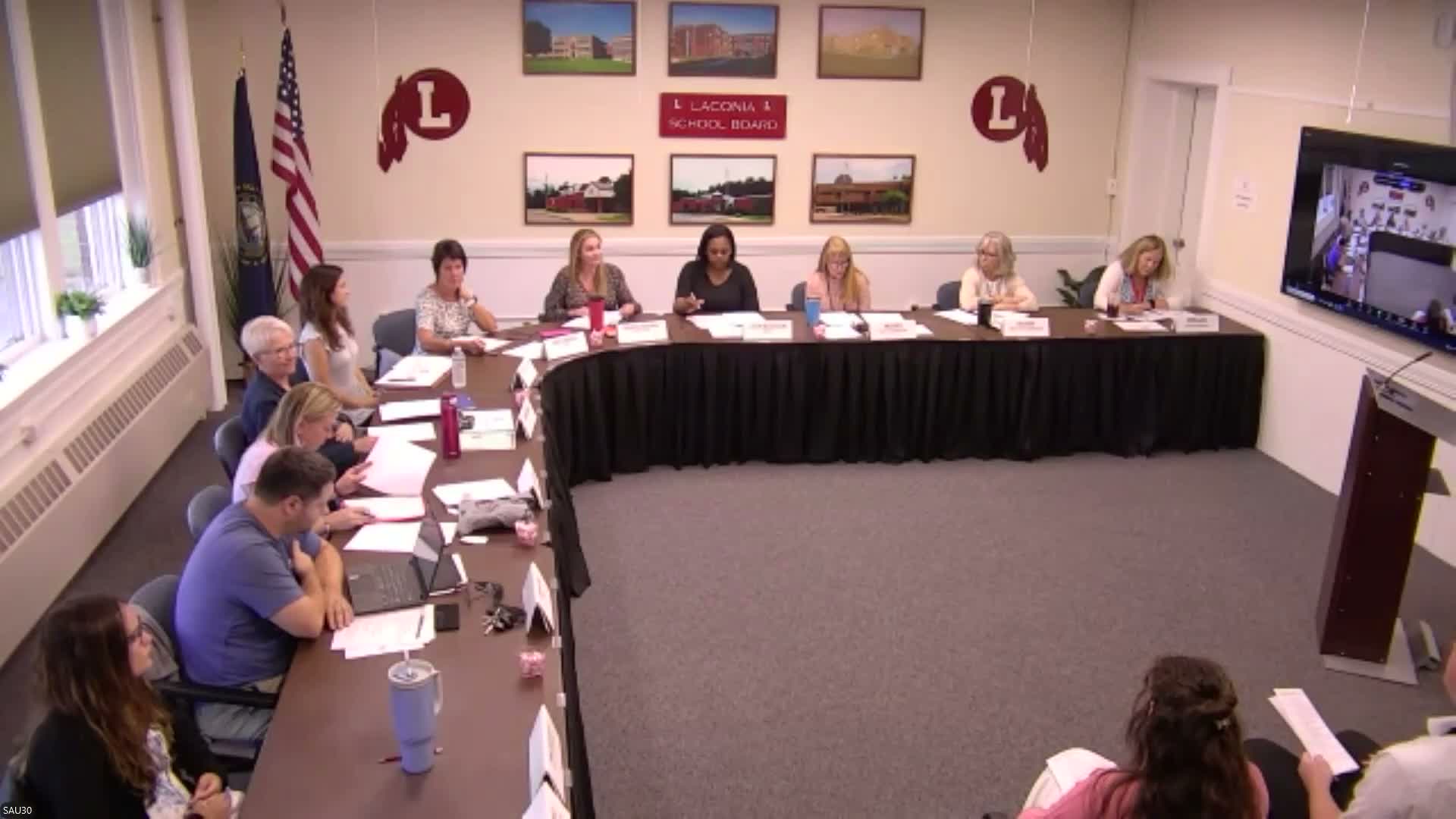
Summary
The district’s Office of Extended Learning told the school board on Sept. 16 that summer and after‑school programs served hundreds of students across elementary, middle and high school programs and relied on district, Title I and 21C grant funds; administrators outlined tracking, selection criteria and future grant changes.
Carrie Howe, director of the Office of Extended Learning, told the Laconia School Board on Sept. 16 that the district’s summer and after‑school offerings reached students at every grade level and combined Laconia School District general‑fund support with Title I and a 21C community learning centers grant. "Our summer program is brought to you from a combination of funds from Laconia School District's general fund to a title 1 grant to the 21 C grant," Howe said.
Howe and site coordinators summarized three program tiers. At the elementary level (Project Extra) the district ran a five‑week extended learning sequence and accepted 135 students for the afternoon program; grade‑5 students completed Leave No Trace activities and visiting groups were brought on site when off‑campus trips were impractical. Middle‑school programming used week‑long themes and allowed students to register by week; coordinators reported 55 registrations and 22 IRCs (industry‑recognized credentials) earned. At the high school, the Learning Lab (credit recovery) ran five weeks for 45 students, with 82 credits recovered and three students completing missing credits over the summer, while a new community–career exploration program ran afternoons and a rising‑9 world‑culture course awarded one half‑credit.
Board members pressed administrators on selection and capacity. Howe said after‑school demand outstripped spots (the Office received several hundred applications across sites) and the district used i‑Ready literacy and math scores as one criterion for prioritizing students into new 'Win Club' slots tied to individualized proficiency goals. Howe said the 21C grant is in its fourth year and currently covers all five schools; administration expects next‑year grants to be awarded per school rather than districtwide and said they will continue to manage collaboration across sites.
Students and parents joined the presentation. Rising‑9 student Dalila McLaughlin described a world‑culture course that produced slide presentations and art projects; senior Jaden Inman said the high‑school Learning Lab "definitely saved me," helping him recover credits and clarify post‑graduation plans. Carrie Howe said the office will embed tracking to follow summer participants through the school year to evaluate impact and better target supports.
The board packet included a one‑page summary for members and a note that more detailed action steps and program metrics are available on request. Howe offered to meet individually with board members for follow‑up questions.