Get Full Government Meeting Transcripts, Videos, & Alerts Forever!
Get email alerts on the Property Tax topic
No spam. Unsubscribe anytime.
Florissant Council keeps property tax levy at 12¢ after hearing on higher assessments
Summary
After a public hearing, the Florissant City Council voted to adopt a 12¢ per $100 property tax levy for 2025; finance staff said assessed values rose about 9.7% overall and 13% for residential properties.
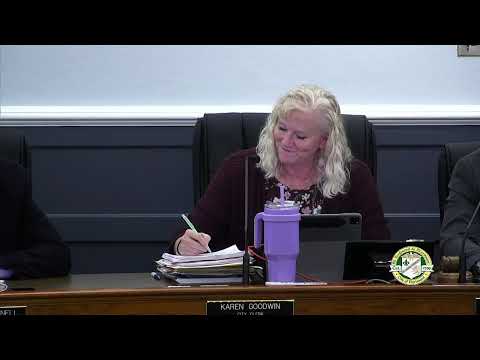
At a Sept. 22 meeting, the Florissant City Council adopted the city’s property tax rate for the 2025 tax year at 12¢ per $100 of assessed value, maintaining the same levy the city has used for the past three years.
Sam Johnson, the city’s director of finance, led a public hearing required by state law and told the council the board of equalization had finalized assessed valuations that increased "on average 9.7% and 13% in the category of residential." Johnson said the state auditor’s calculation form would allow a levy as high as 13.5¢ per $100 to meet debt-service obligations, but "we're choosing to take a voluntary reduction and levy a 12¢," the finance director said.
The hearing record shows no public speakers on the levy and no council questions that changed the staff recommendation. The presiding officer closed the hearing after finding no members of the public wished to comment and a councilmember moved to close the hearing.
The council later considered and passed an ordinance establishing the rate of taxation for real and tangible personal property in Florissant for 2025. The ordinance was adopted by roll call, with members recorded on the record as voting in the affirmative as read by the City Clerk.
Why it matters: Property tax levies determine the city’s capacity to meet bond and debt-service obligations and affect homeowners and commercial property owners as assessed values change. City staff’s decision to hold the levy at 12¢ offsets some of the increased assessed values, partially limiting additional tax burden to property owners.
Next steps: The ordinance establishing the tax rate was adopted during the meeting. Any changes to debt service or future levy decisions will depend on bonding obligations, budget needs and future assessments.