CFO warns delayed grant reimbursements are creating a cash-flow risk
Summary
Chief Financial Officer Matthias Graywood told the board the district has $2.6 million in submitted grant reimbursements awaiting approval and noted roughly $3.4 million appeared as a variance in instruction; he described strained reimbursements as a historical process issue being addressed to avoid cash-flow problems.
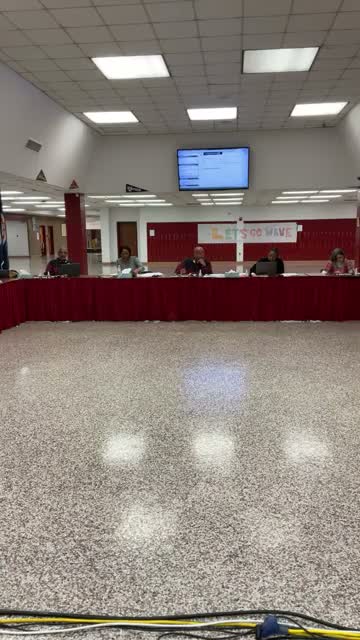
Matthias Graywood, the school division’s chief financial officer, presented the monthly budget update as of Aug. 31, 2025 and flagged a grants reimbursements problem that he described as a growing cash-flow issue.
Graywood reported the general fund FY26 budget at $70,490,000 with roughly $13,300,000 spent to date (about 19%). On grants, he said the division had submitted approximately $2,600,000 in reimbursements to the Virginia Department of Education that remain in the pipeline and noted a roughly $3,400,000 variance in instruction appearing as a shortfall tied to reimbursements. "We've spent money to the tune of, you know, 3,000,000 or so, and we haven't gotten it back," Graywood said, adding that reimbursements should typically clear within about 45 days but had been delayed for months.
Graywood said the delay stems from restructuring internal grant processes and a historical lack of prioritized fiscal follow-through, not from noncompliance. He said staff have put new processes in place to ensure monthly reimbursements resume and pledged to update the board monthly until the reimbursements are caught up.
Board members sought clarification on whether the situation was due to compliance issues or timing; Graywood said the records are in compliance and the problem is primarily processing and prioritization at the fiscal side. He emphasized that, while the current state does not yet endanger operations, the lag could create operational strain if spending rises or if reimbursements remain delayed.