Get Full Government Meeting Transcripts, Videos, & Alerts Forever!
Get email alerts on the Human Rights Refugees topic
No spam. Unsubscribe anytime.
Ohio committee hears emotional testimony urging resolution on Bhutanese expulsions
Summary
More than a dozen witnesses, including refugees and community leaders, urged the Senate to adopt SR69 acknowledging alleged ethnic cleansing and urging accountability and family reunification for tens of thousands of displaced Bhutanese; witnesses cited U.N. and human‑rights reports and recounted personal abuse, detention and long separations.
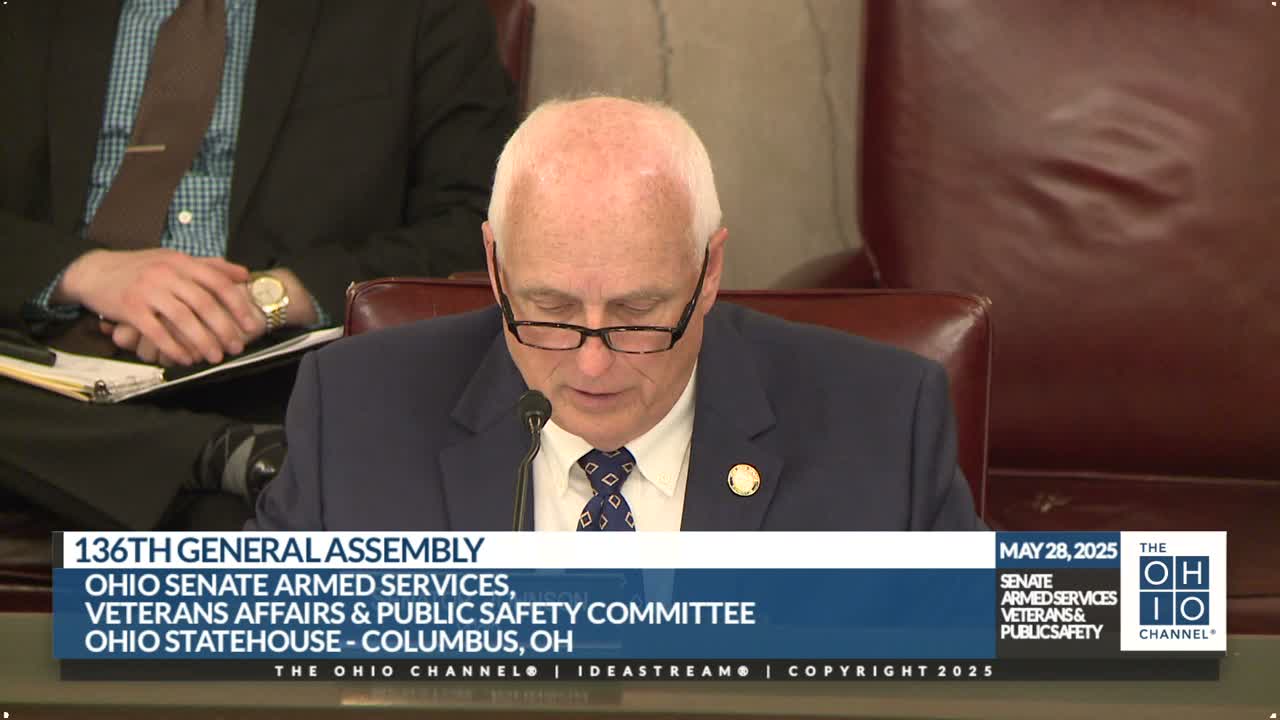
The committee heard a lengthy, multi‑witness hearing on Senate Resolution 69, a bipartisan resolution sponsored in the transcript by Senator Reynolds that urges recognition and accountability for the forced expulsion and ongoing mistreatment of ethnic Nepali Bhutanese.
Representative Suraj Budathoki urged the committee to support SR69 and summarized international findings from UN bodies and human rights organizations documenting arbitrary arrests, restrictions on speech and discrimination against Lhotampa and other minority groups. "This resolution is more than symbolic," he said, urging truth, justice and healing for people who remain separated from loved ones.
A succession of Ohio community members and survivors gave personal testimony about forced removal, detention without due process, physical abuse and decades‑long family separation. Witnesses described a range of alleged abuses in the 1980s and 1990s—arbitrary arrest, torture, disappearances and long confinement without trial. One witness described a son imprisoned since 02/26/2008 and reported accounts of beatings, food and water deprivation, and physical torture; another recounted seeing a relative's skull broken during beatings.
Witnesses asked the state to call for diplomatic engagement, family reunification, release of political prisoners and formal recognition of the trauma endured by the Bhutanese Nepali community. Testimony cited international sources including the UN, Human Rights Watch and the U.S. Department of State human rights reports; speakers also quoted UNHCR and said roughly 6,300 refugees remain in two camps in eastern Nepal while noting the U.S. now hosts the largest Bhutanese refugee population (testimony cited "over 97,000"). One witness said the resolution publicly acknowledges the ethnic cleansing and validates the suffering of roughly 120,000 people expelled decades ago.
Committee members thanked witnesses for their testimony. The hearing produced extensive firsthand accounts but no committee vote; the committee agreed to review written testimony and consider the resolution further. The committee adjourned after concluding testimony.