Get Full Government Meeting Transcripts, Videos, & Alerts Forever!
Get email alerts on the Building Inspections topic
No spam. Unsubscribe anytime.
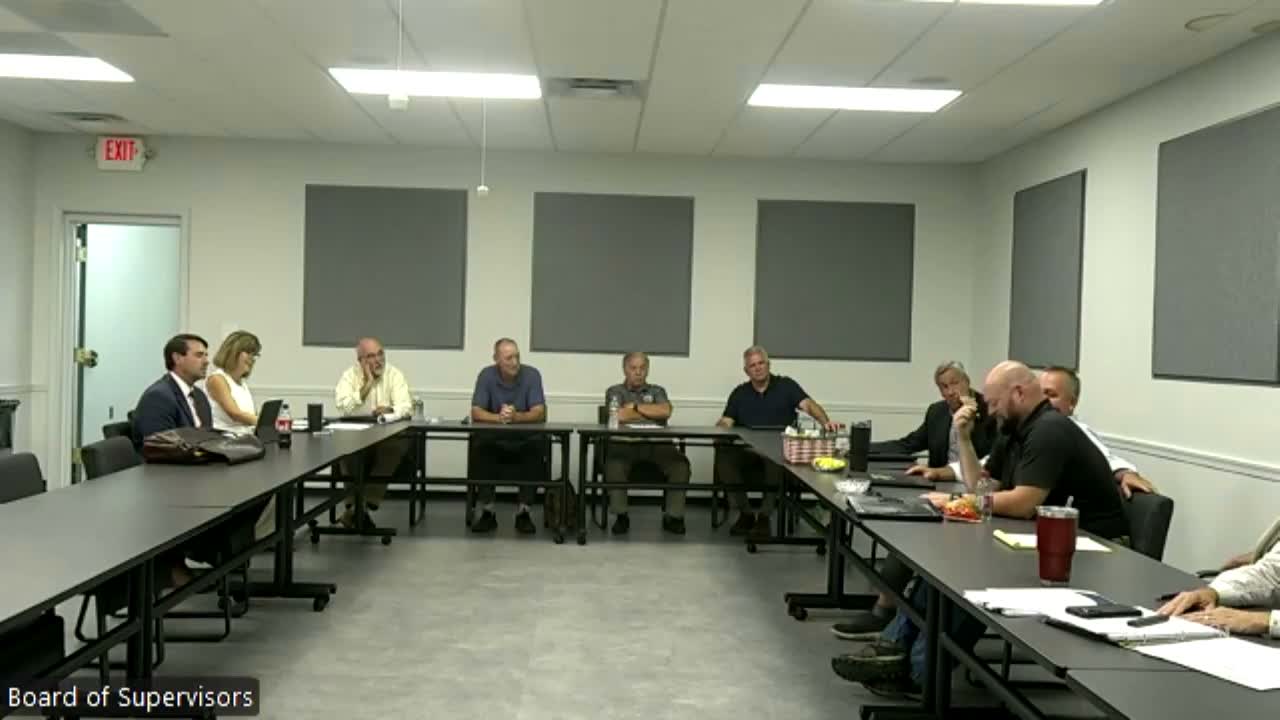
Board hears staffing crunch for building inspections; third‑party inspections considered as short‑term fix
Summary
Supervisors were told the county is short‑staffed in building inspections, with two active inspectors covering the county; staff will benchmark pay, consider outsourcing as a short‑term measure and propose thresholds for requiring third‑party inspections on large developments.
Campbell County supervisors heard a detailed briefing on turnover and recruitment challenges in the building inspection department and discussed short‑term and long‑term responses.
Staff reported the county currently has a building official and one full‑time inspector on staff and a vacancy for another full‑time inspector; a part‑time inspector position is also advertised. “Right now, we’re only two inspectors covering the entire county,” a staff member said, noting permit load and travel time across dispersed communities increase inspection workload.
County staff said they are advertising positions in the low $50,000s and will benchmark neighboring jurisdictions to determine whether pay is off market. “Part of that’s market, part of that’s compensation,” staff said; supervisors called the advertised range “off market” and asked for a staff proposal on compensation and recruitment options.
Board members discussed short‑term use of third‑party inspectors to cover peak demand, with caution that third‑party work can be costly and that developers might ultimately bear that cost if required. One supervisor suggested establishing a threshold that would automatically require third‑party inspection for particularly large developments so county staff are not overwhelmed.
Staff were directed to return with market benchmarking and recommendations on short‑term outsourcing and compensation changes. The board emphasized the need for a threshold policy and clearer guidance on when developments must provide third‑party inspection resources.