Get Full Government Meeting Transcripts, Videos, & Alerts Forever!
Get email alerts on the House Bill 1 topic
No spam. Unsubscribe anytime.
Opponents Tell Ohio Public Safety Committee House Bill 1 Would Be Discriminatory, Harm Jobs and Housing
Summary
At a third hearing on House Bill 1, dozens of opponents including realtors, business owners and scientists told the Ohio House Public Safety Committee the bill would discriminate by national origin, likely violate the Fair Housing Act, and harm the state’s economy; the chair said the committee will seek amendments and hold an all-testimony hearing June 3.
The Ohio House Public Safety Committee held its third hearing on House Bill 1 and heard sustained opponent testimony that the proposal, which would limit property ownership for people tied to designated foreign adversaries, would discriminate by national origin, conflict with federal civil-rights law and damage Ohio’s economy.
Opponents included small-business owners, licensed realtors, scientists and students who said the bill’s broad language risks excluding lawful residents and naturalized citizens from homeownership. “Housing is a human right,” said Lucy Hutchins, an accountant at Marathon Petroleum, who warned HB1 conflicts with the federal Fair Housing Act of 1968 and could force employers and employees to relocate if companies such as FGA left the state. Realtor Lu Yang Yin testified the measure “turns real estate professionals into de facto immigration enforcement agents,” creating legal and ethical dilemmas for agents who are bound by federal antidiscrimination rules.
Several witnesses cited economic figures and potential local impacts. Yupeng Dung told the committee that, according to a 2022 American Economic Review paper, Ohio has about 9,500 Asian-immigrant-owned businesses employing roughly 97,600 people and paying about $3.3 billion in annual payroll; he said HB1 would shrink the buyer pool and reduce investment. Daniel Chen, who said he does not dispute the bill’s stated security goals, called HB1 “overreaching” and urged the committee to weigh whether the law would actually advance national or state security or simply generate costly litigation.
Testimony also drew historical comparisons. A student witness recalled learning about early 20th-century alien land acts and told lawmakers those laws “denied family stability, ownership and future,” urging them not to repeat that history. Multiple speakers argued HB1 mirrors that discriminatory approach by singling out individuals based on foreign ties rather than conduct.
Committee members pressed witnesses on practical questions and alternatives. Representative Brent asked realtors about closing practices and penalties for asking protected information; witnesses noted title and closing offices typically verify identity via standard ID and that asking a buyer’s national origin can violate federal housing law and state realtor ethics. Several witnesses suggested targeted security measures for critical infrastructure would be more effective than a sweeping ban on property ownership.
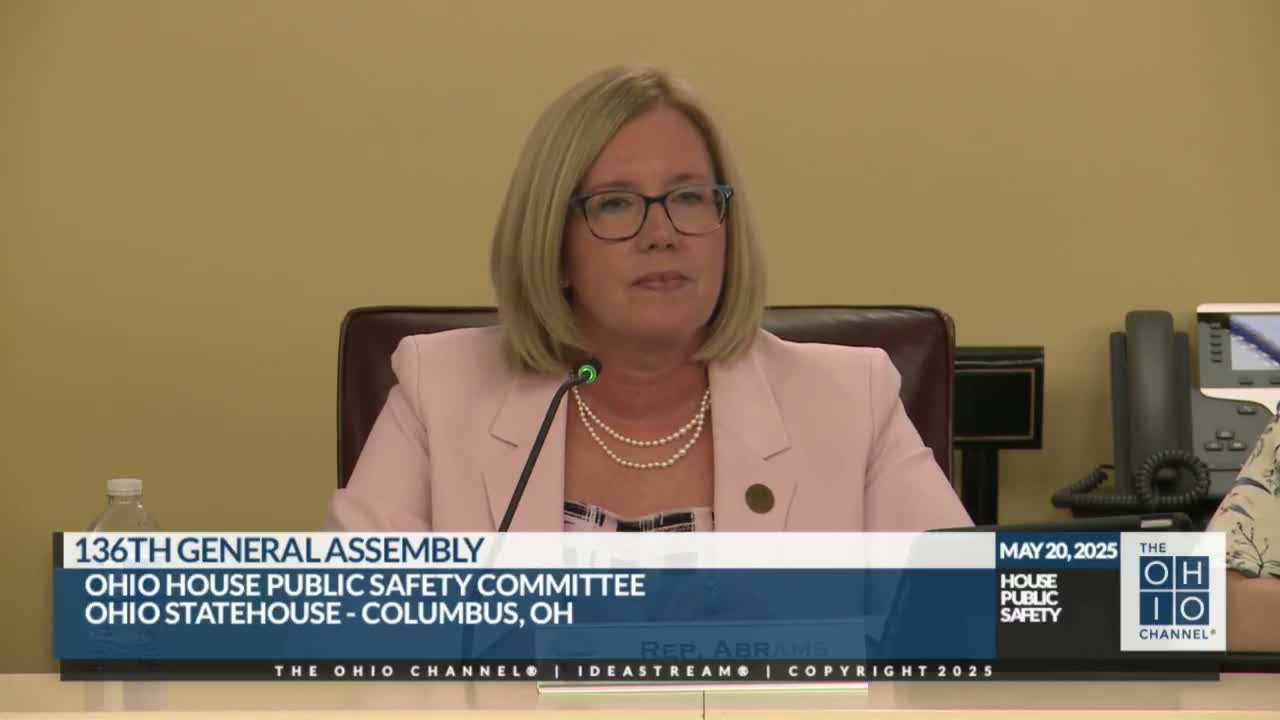
The chair said this hearing was the committee’s third and that a full-testimony hearing is expected June 3; she said members plan to confer and draft amendments to address concerns raised by testimony. No formal vote occurred during the session.
The hearing drew repeated warnings that, if enacted, HB1 could prompt litigation, deter skilled workers and investors, and impose enforcement and compliance costs on state and local actors. The committee concluded the day with members indicating a desire to refine the bill’s language and consider narrower, security-focused alternatives before any final action.