Get Full Government Meeting Transcripts, Videos, & Alerts Forever!
Get email alerts on the Civil Service Police topic
No spam. Unsubscribe anytime.
Committee reviews bill to let cities exempt some police hires from civil‑service exams
Summary
Sponsors said House Bill 44 would let statutory cities bypass civil‑service exams for lateral police hires and allow municipal chiefs to operate cadet training programs; members asked about which positions are excluded, background checks to prevent 'bad actors,' and parity with charter cities.
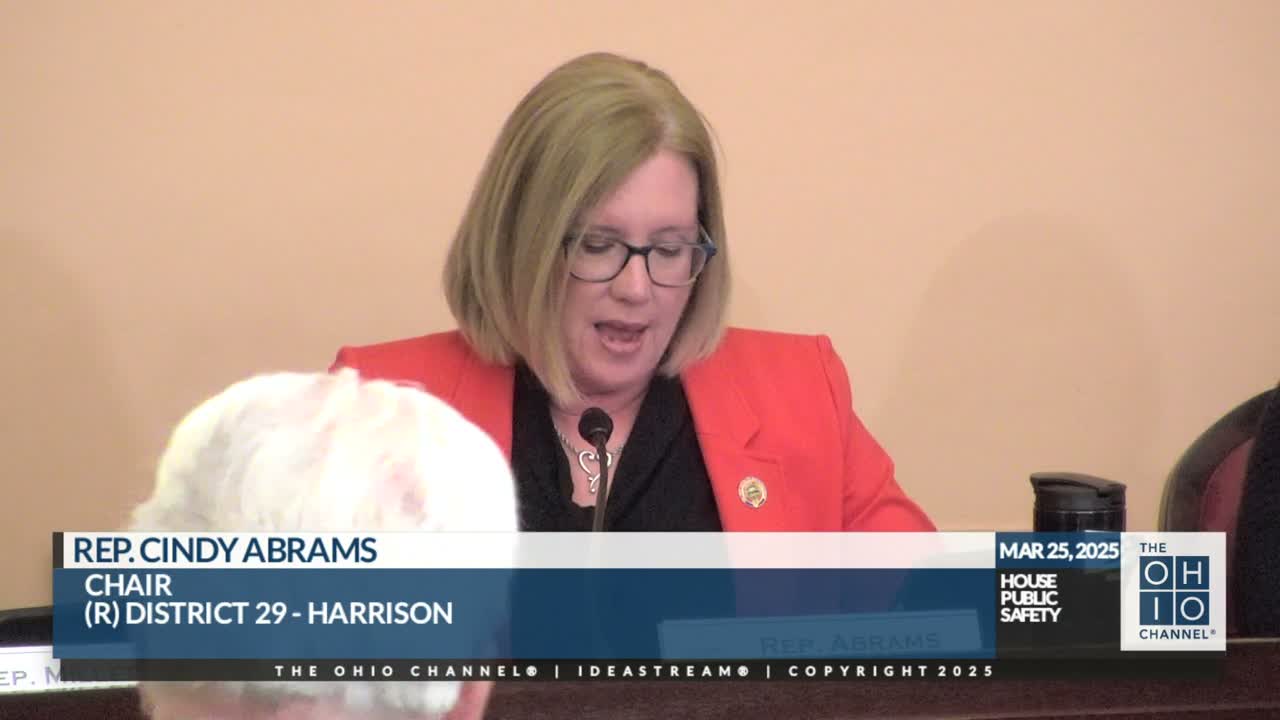
The House Public Safety Committee heard sponsor testimony and questions on House Bill 44, which would permit departments to fill certain vacancies without a civil‑service exam when the competitive component is unnecessary and the candidate has demonstrated qualifications. Sponsors described the change as aligning statutory cities with charter municipalities that already permit similar lateral hires.
Representative Joe Miller (sponsor) told the committee the bill targets entry-level officer and cadet positions, not promotional ranks like sergeant or lieutenant. "This isn't for sergeants or lieutenants or captain promotion," he said, explaining the change is focused on bringing trained officers into patrol positions without repeated testing delays.
Committee members raised concerns about safeguards against "bad actors" using expedited hiring routes. Representative Brewer asked whether departments would still conduct background checks; sponsors responded that the vast majority of departments already perform background investigations and contact prior employers, and that the bill does not alter those practices. Members recommended considering statutory language to ensure consistent background-check practices across jurisdictions.
Supporters and critics agreed the bill could speed recruitment and help retention, and some members with charter‑city experience said cadet programs and lateral hires have been successful in their jurisdictions. The committee took no vote at the conclusion of the hearing and asked sponsors to work with members on any needed clarifications.