Get Full Government Meeting Transcripts, Videos, & Alerts Forever!
Get email alerts on the Catalytic Converters topic
No spam. Unsubscribe anytime.
House Public Safety panel hears bill to tighten scrap‑metal rules after catalytic‑converter thefts surge
Summary
Sponsors told the House Public Safety Committee a bill would close gaps in scrap‑metal transactions and require chain‑of‑custody records to help trace stolen catalytic converters; members asked about adding a short waiting period before payment to allow investigations.
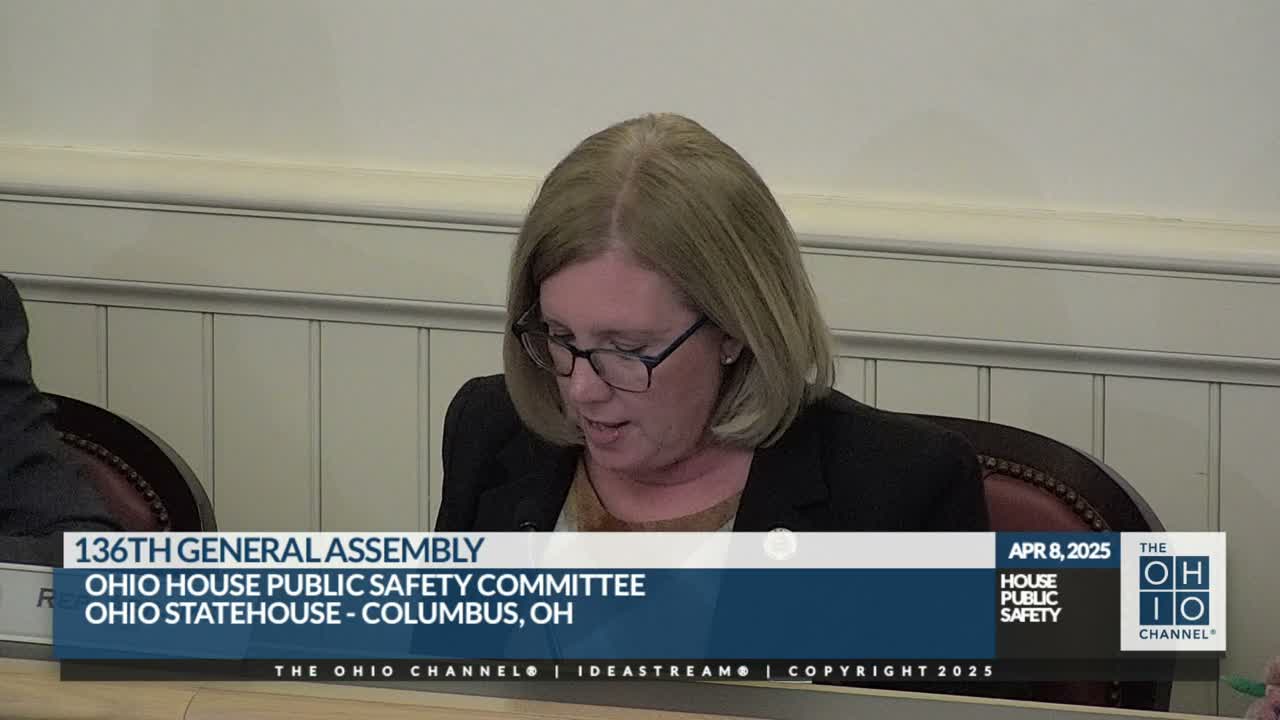
The House Public Safety Committee heard proponent testimony on House Bill 210, a measure designed to stem a continuing wave of catalytic‑converter thefts by imposing stricter controls on scrap‑metal transactions.
Sponsor testimony described the scale of the problem and the economic drivers behind it. "They're very easy to steal off somebody's car," one sponsor said, and noted the high value of components inside converters: "It's now $5,700 an ounce," the sponsor said when discussing rhodium prices that make thefts lucrative. Sponsors told the committee the bill would tighten what registered scrap dealers must record and would establish a chain of custody so that daily purchases can be traced.
Members pressed for additional tools. Ranking Member Thomas asked whether the bill could include a three‑day waiting period before scrap yards pay sellers to give law enforcement time to investigate recent theft reports. Sponsors said they had considered waiting periods in prior drafts but removed them after concerned stakeholders warned they might push transactions into underground markets; they said they remained open to further discussion.
Sponsors also said the bill aims to level the playing field between compliant, registered dealers and unregistered operators and to give law enforcement better evidence for enforcement without running afoul of Fourth Amendment limits when officers inspect registered businesses.
The committee took testimony and questions and concluded the first hearing; no formal vote on the bill was recorded during the meeting. The committee did not set a follow‑up date in the hearing itself.