Get Full Government Meeting Transcripts, Videos, & Alerts Forever!
Get email alerts on the Medicaid Work Requirements topic
No spam. Unsubscribe anytime.
House Medicaid Committee favorably reports SCR 5 urging work requirements for able-bodied Medicaid enrollees
Summary
The House Medicaid Committee voted 8–4 to favorably report SCR 5, a resolution urging work, training or education requirements for able-bodied adults on Medicaid. Proponents argued the policy would boost employment; members and witnesses warned of implementation risks, potential ER use and the need for supports like childcare.
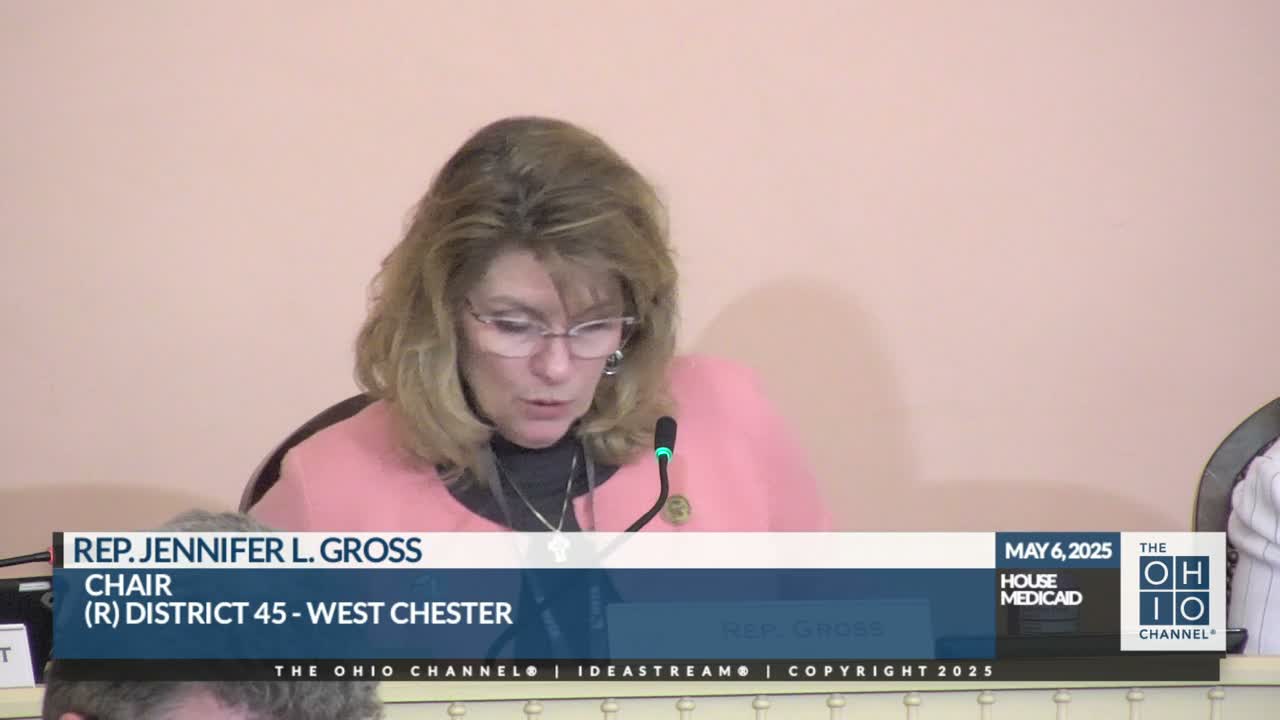
The House Medicaid Committee voted to favorably report SCR 5, a resolution urging that able-bodied adults on Medicaid engage in work, job training or education, sending the measure to the full House after an 8–4 roll-call vote in committee. Vice Chair Barhorse moved the favorable report and the clerk recorded the vote.
Harrison Siders, a proponent testifying for FGA Action, told the committee that the resolution is intended to “encourage those who can work to work” by requiring work, job training or education for able-bodied adults on Medicaid while exempting people with disabilities, caregivers of young children and those with substance use disorders. “By requiring able-bodied adults on Medicaid to engage in work, job training, or education, we’re giving them a path forward,” Siders said, urging members to support the resolution.
Proponents cited out‑of‑state examples. Siders referenced Arkansas, saying that state reported nearly 10,000 expansion enrollees found employment after a work requirement was implemented; he also said implementation experiences vary and offered to provide additional state-specific figures on request.
Witnesses and committee members pressed several practical concerns. Representative Hall noted the resolution could affect “about 60,000 people,” and asked whether displaced enrollees would shift care to emergency departments, creating uncompensated care costs for hospitals. Siders said he could not quantify exact short‑term effects but argued that many people moved into employment over time. Representative Barhorse highlighted employer plan reimbursement differences and pointed to OhioMeansJobs figures cited by a proponent — about 146,000 job listings, roughly 94,000 of which the witness said pay more than $50,000 annually — as evidence of available work opportunities.
Greg Lawson of the Buckeye Institute, speaking as an interested party, said his organization supports the use of waivers to incorporate work requirements into Medicaid but cautioned that implementation has broken down in some states. “Implementation has been a problem at other states,” Lawson said, urging careful design, administrative capacity and oversight so eligible people are not wrongly removed from coverage. Lawson noted litigation and changes in federal policy have shortened the run of some programs, limiting long‑term outcome data.
Several members urged pairing any requirement with supports. Representative Hall and others emphasized childcare, reliable transportation and benefit‑cliff remedies, saying work requirements alone could create disincentives or put people in precarious coverage-to-employment transitions. Members also asked how the committee and state agencies would monitor and oversee implementation; proponents and witnesses cited the need for clear exemptions, MCO cooperation and improved administrative systems.
Votes at a glance: Vice Chair Barhorse moved that the committee favorably report SCR 5. The clerk recorded the roll call: Yes — Chair Gross; Vice Chair Barhorse; Representatives Craig; Ferguson; Lampton; Mullins; Romer; Stevens (8). No — Ranking Member Baker; Representative Hall; Representative Lett; Representative Simani (4). The committee left the roll open until 5 p.m. for cosponsors.
The committee highlighted written testimony from Director Corcoran of the Department of Medicaid, which the chair noted supports work‑related supports and described managed‑care plans’ voluntary cooperation with work engagement supports. The committee adjourned with no further business.
What happens next: The committee’s favorable report sends SCR 5 to the full House for further consideration; the transcript does not record any House floor action or a final legislative disposition.