Get Full Government Meeting Transcripts, Videos, & Alerts Forever!
Get email alerts on the Water Infrastructure topic
No spam. Unsubscribe anytime.
Bill to authorize county water and wastewater improvement districts gets first hearing
Summary
Representative Claggett told the committee House Bill 49 would allow counties to form permissive Water and Wastewater Improvement Districts (WIDs) modeled on Transportation Improvement Districts (TIDs) to pool expertise and pursue funding for infrastructure; members asked about overlap with existing regional districts and exit procedures.
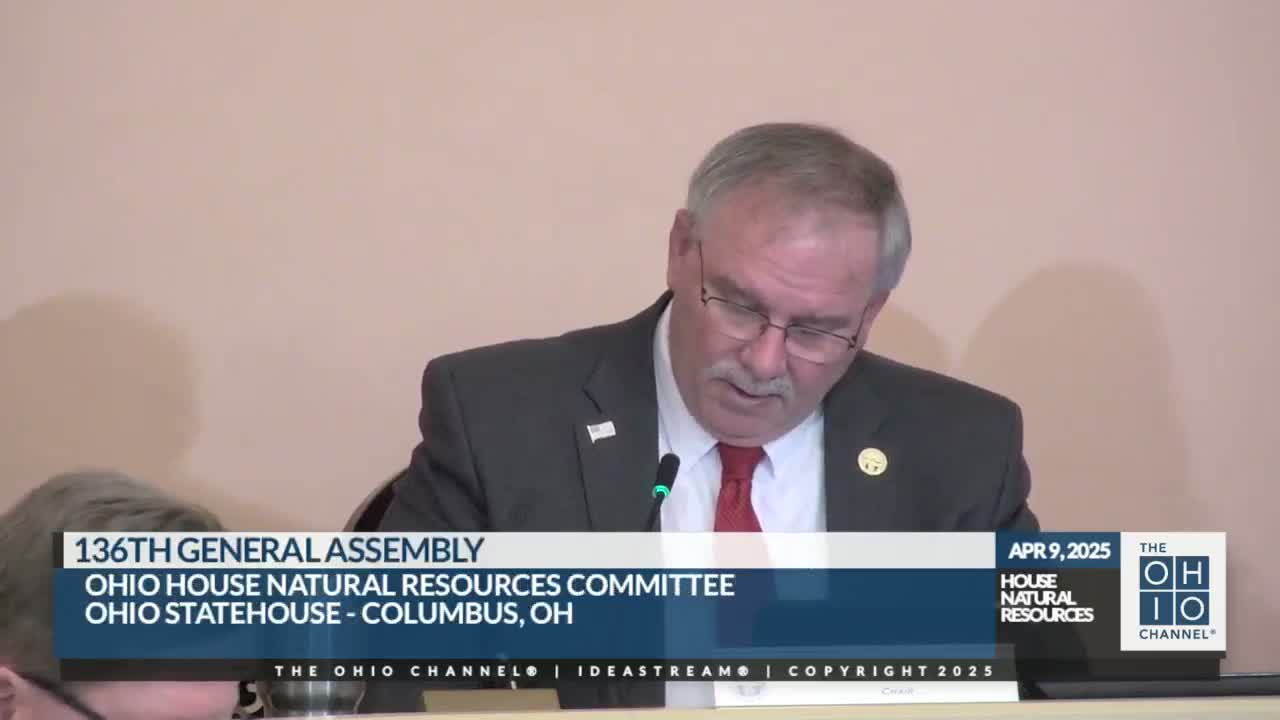
Representative Claggett presented House Bill 49 to the Natural Resources Committee, describing a Water and Wastewater Improvement District (WID) as a permissive, county‑level board that would provide engineering, project development and funding‑pursuit services for local water and wastewater projects. Claggett said the model mirrors successful Transportation Improvement Districts and is intended as a shared resource counties may opt to use.
"A WID is not a new water delivery system," Representative Claggett said. "It is simply just like the TID ... a board that has expertise so that the other people don't have to have that level of expertise on these issues." He added that WIDs would help counties access state and federal funding and foster public‑private partnerships.
Members probed whether a WID would duplicate or conflict with existing regional water and sewer districts. Representative McNally and others asked how entities would presently finance projects and whether counties or cities might later seek to leave a WID. The sponsor said the bill is permissive and suggested members could follow up offline to refine language about joining and leaving and other governance details.
Representative Rogers raised a concern based on prior experiences with joint districts where members later sought withdrawal; the sponsor offered to provide more detail on exit procedures after consultation. Committee discussion emphasized that a WID would be optional, that regionals could continue to operate, and that the bill's principal aim is to provide access to specialized expertise for jurisdictions that lack in‑house capacity.
The committee received the testimony and took no formal vote on the bill at this hearing.