Get Full Government Meeting Transcripts, Videos, & Alerts Forever!
Get email alerts on the Healthcare Regulation topic
No spam. Unsubscribe anytime.
Pharmacists Association urges PBM transparency, licensure and insurance oversight in HB229 hearing
Summary
An executive from the Ohio Pharmacists Association testified in favor of HB229, which would create licensure, reporting and Department of Insurance oversight of pharmacy benefit managers to increase transparency; members questioned fees, audit costs and fiduciary language.
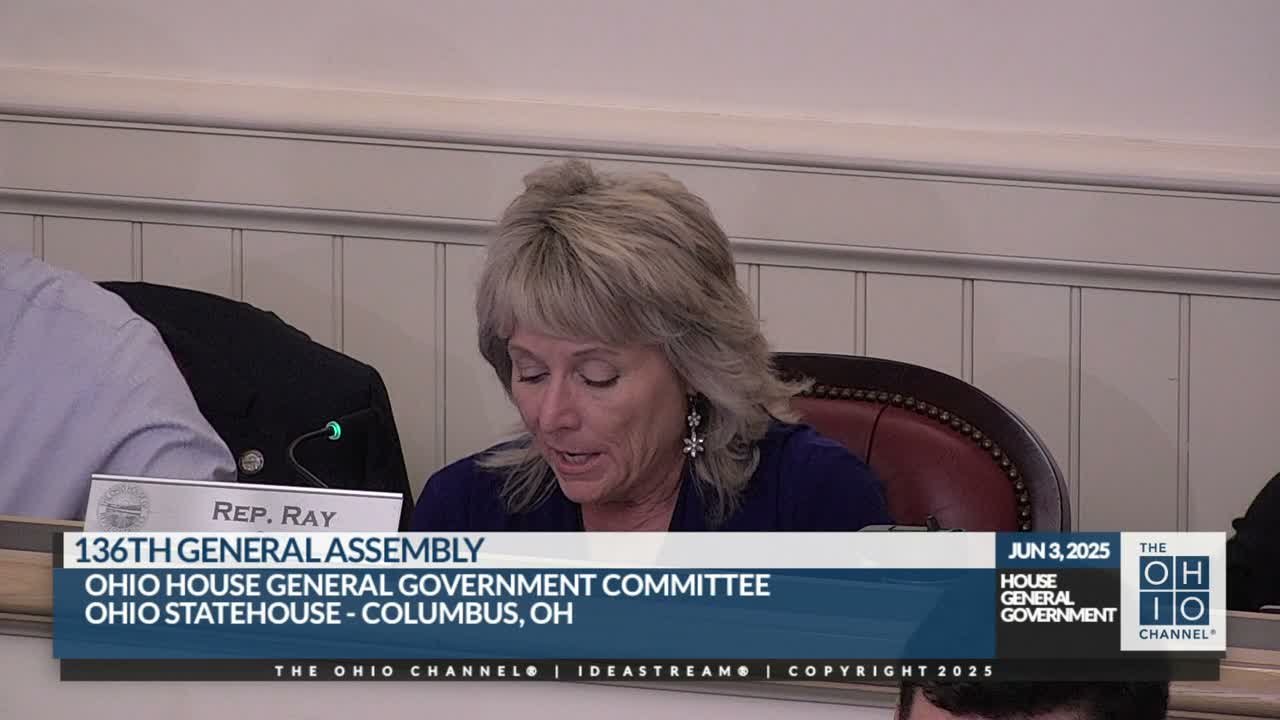
David Burke, Executive Director of the Ohio Pharmacists Association, testified before the House General Government Committee in support of House Bill 229, which sponsors described as a transparency and oversight measure for pharmacy benefit managers (PBMs).
"Acting as true middlemen, these three main PBMs now control 80% of pharmacy networks dictating price, cost, network access with little to no oversight, accountability, or regulation," Burke said, describing PBMs' market role and urging the committee to adopt licensure, standardized reporting, records retention requirements and narrowly defined fiduciary duties. Burke said HB229 would move PBMs out of the third‑party administrator chapter of code into their own chapter, expand the Department of Insurance's examination authority while maintaining confidentiality, and exempt ERISA plans.
Members asked detailed questions about the bill's implementation: Representative Brent asked why initial licensure would cost $2,000 while renewals would be $3,000; Burke said the difference relates to the timing of implementation and plan years and offered to follow up with exact rulemaking details. Members also queried why PBMs rather than insurers would bear audit and examination costs; Burke said the reporting entity typically bears the cost.
Representative Flaubert asked why the bill makes PBMs fiduciaries in contractual arrangements; Burke said the language is intended to reinforce contractual obligations and not to interfere with private contracts. The committee concluded the second hearing for HB229 and heard no final votes.
Next steps: sponsors and stakeholders will likely return with technical clarifications and fiscal details in subsequent hearings.