Get Full Government Meeting Transcripts, Videos, & Alerts Forever!
Get email alerts on the Budget State Funding topic
No spam. Unsubscribe anytime.
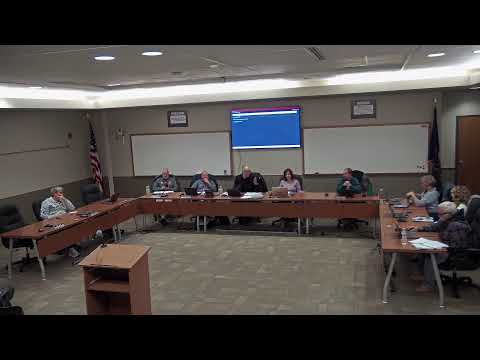
Dover Area SD reviews state budget impacts, cyber-charter changes and looks to reapply for facility grants
Summary
District administrators told the board the state budget added funding in several categories but that changes to how cyber-charter costs are calculated could affect Dover's per-student funding; board members and residents urged the district to pursue facility and safety grant opportunities and to research a recurring solar grant before reapplying.
Dover Area School District trustees spent a sizable portion of their meeting on state budget changes and what those shifts mean for local funding and district operations. Administration outlined line-item changes — including increases cited for basic education, special education and the "Ready to Learn" program — and said Dover’s allocation rose modestly compared with earlier proposals.
The administration also explained recent formula changes affecting cyber-charter calculations. "They increased the deductions," an administrator said, describing adjustments that remove some cyber charter ADMs from the funding calculation and create a new way to compute special-education cyber tuition; the change was described as potentially reducing costs for special-education students by roughly $7,000 per student under one calculation option.
Public commenters and board members raised concerns that unanticipated cyber-charter expenses have contributed to multi-million-dollar shortfalls in recent budget cycles. "A $2,800,000 shortfall is 3.5% of this budget," one resident said, urging the board to prioritize classroom staffing and paraprofessional pay over discretionary spending.
Board members and administration also discussed capital opportunities. Administration called attention to large statewide grant pools — including safety and facility grant dollars — and said it will monitor application windows and prepare to apply. Several public speakers urged the board to research lessons learned from districts that pursued a previously offered solar grant; the administration said it would study past implementations and return with guidance if the board wanted to pursue the grant again.
The meeting also included routine votes on consent items and a reminder that the district’s facility study is scheduled to be completed in February and presented to the board in March. An administrator responded to a public question about the timeline, saying the consultant team is doing a "fine tooth comb" assessment to produce accurate cost projections.
The board approved multiple routine items, and members said they will continue to press for legislative and administrative avenues to address cyber-charter cost pressures.
The next procedural step for finances is the district’s upcoming budget cycle in January, when the administration said it will bring any grant planning and budget recommendations forward for board consideration.