Get Full Government Meeting Transcripts, Videos, & Alerts Forever!
Get email alerts on the Government Communications topic
No spam. Unsubscribe anytime.
Sponsors urge ban on unsolicited taxpayer-funded government mailings within 30 days of elections
Summary
Sponsors presented House Bill 2 64 to prohibit unsolicited government mailings within 30 days before an election, arguing such mailings operate as campaign tools; members asked for clearer definitions and enforcement language, and sponsors said they were open to tightening the bill.
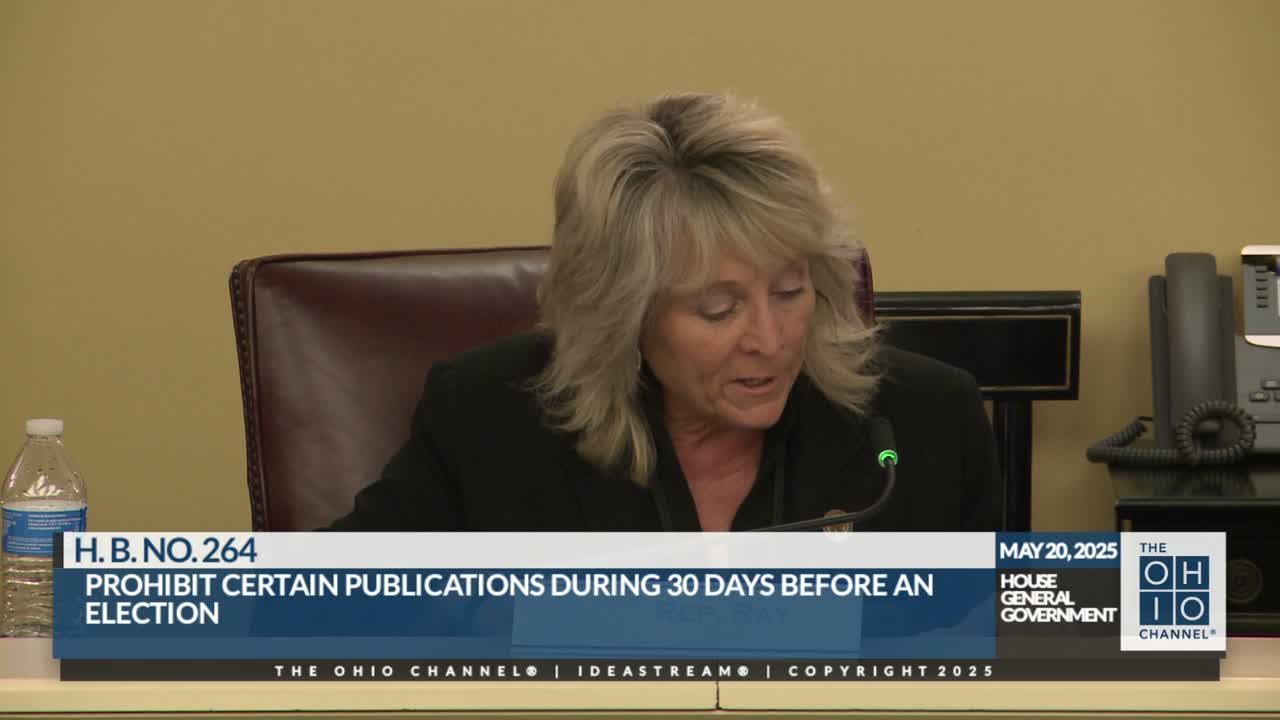
Supporters of House Bill 2 64 told the House General Government Committee the bill would draw a bright line between civic information and taxpayer-funded campaigning by banning unsolicited government publications distributed within 30 days before an election.
"Taxpayer dollars should go to informing the public, not campaigning," a sponsor said in opening testimony, describing the proposal as a targeted restriction on large unsolicited mail campaigns paid for with public funds. Sponsors said the bill would not stop constituent communications or newsletters to citizens who "opted into" receiving them.
The committee's Ranking Member, Brent, asked how the bill would define "campaigning," noting local election offices and city notices sometimes send information that could be confused with candidate-focused materials. Brent said constituents sometimes call for clarification when mailers reference races without listing names. Sponsors responded they planned to tighten the statutory language to remove gray areas and reiterated the bill's intent to prohibit mass, unsolicited pieces that have the functional effect of promoting incumbents in the run-up to an election.
Representative Plummer asked whether the bill should extend beyond mailings to other taxpayer-funded communications such as billboards or radio announcements; sponsors said the current draft is narrowly targeted to unsolicited mass mailings but agreed similar issues could be addressed in separate legislation. Representative Syniper asked how the measure would be enforced and whether the proposed elimination or reorganization of the elections commission affects enforcement; a sponsor said enforcement duties would fall to the appropriate office (for example, the secretary of state or auditor or another designated entity) and that they would work on clearer enforcement language.
Committee members did not vote on the bill during this hearing. Sponsors asked for favorable consideration and signaled willingness to accept clarifying amendments.