Get Full Government Meeting Transcripts, Videos, & Alerts Forever!
Get email alerts on the Emergency Care topic
No spam. Unsubscribe anytime.
Bill would let EMTs, paramedics perform limited in-hospital tasks; committee hears workforce concerns
Summary
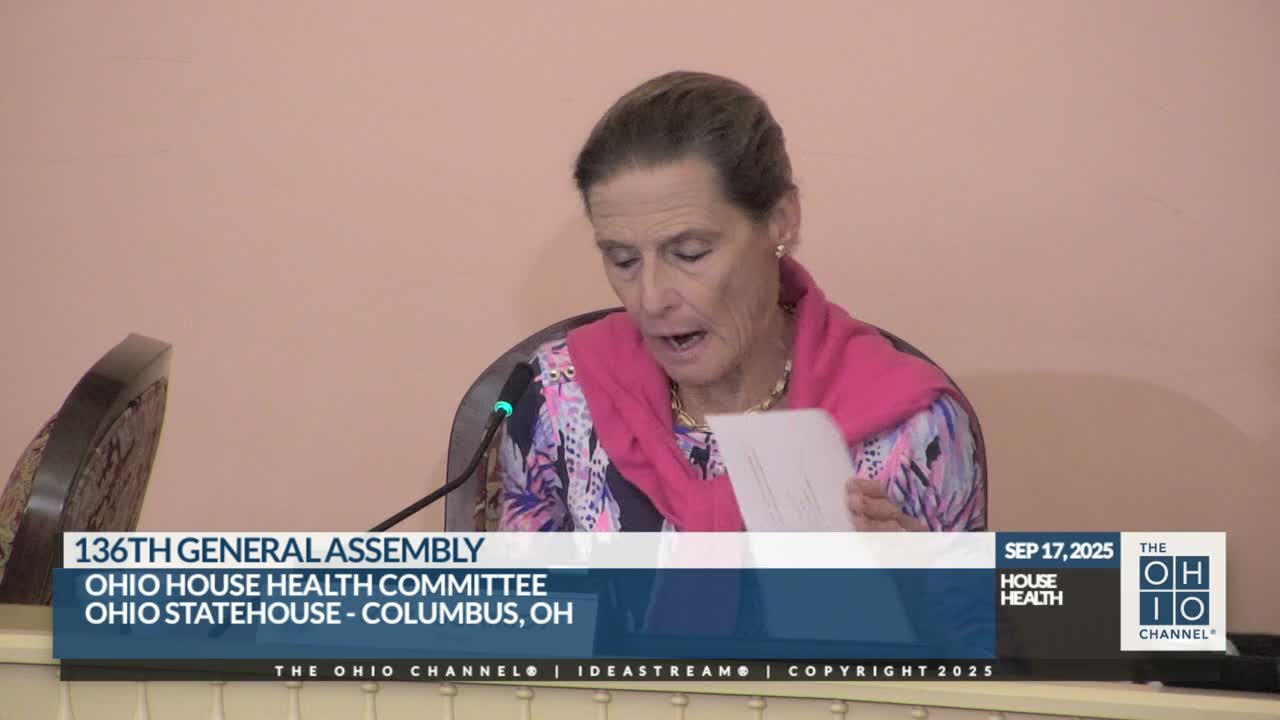
Sponsor testimony on HB 398 said EMTs and paramedics could perform limited in-hospital functions (transport within hospital, vitals, IV access) under physician or RN direction; members voiced concern that hospitals could draw EMTs away from private ambulance services.
At a first hearing on House Bill 398, sponsors told the House Health Committee the bill would allow EMTs and paramedics to perform three specific tasks in hospital settings—transporting patients between departments, obtaining vital signs, and establishing intravenous access—when directed by a physician or registered nurse.
Vice Chair Dieter said the measure does not expand EMTs' or paramedics' scopes of practice but recognizes skills they safely perform in pre-hospital and emergency-department settings. "The 4 walls of the emergency room should not artificially limit their ability to provide quality patient care," Dieter said.
Representative Baker asked whether hospitals credential EMTs for in-hospital duties; the sponsor confirmed credentialing would occur through the hospital. Other members, including Representative Stewart, raised workforce questions: Ohio faces an EMT shortage, and members asked whether hospitals offering better pay or benefits might draw employees away from private ambulance services. Dieter said the bill applies to EMTs already working in emergency departments and that it could also incentivize training and recruitment.
The committee took no action today; sponsors said they would answer further questions as the bill moves through the legislative process.