Get Full Government Meeting Transcripts, Videos, & Alerts Forever!
Get email alerts on the Medical Debt Reform topic
No spam. Unsubscribe anytime.
Bipartisan Ohio Medical Debt Fairness Act would cap interest, bar credit reporting and ban wage garnishment
Summary
Sponsors introduced the Ohio Medical Debt Fairness Act to cap medical-debt interest at 3% annually, prohibit reporting such debt to credit agencies and ban wage garnishment; sponsors said providers can still pursue payment plans and third-party collections.
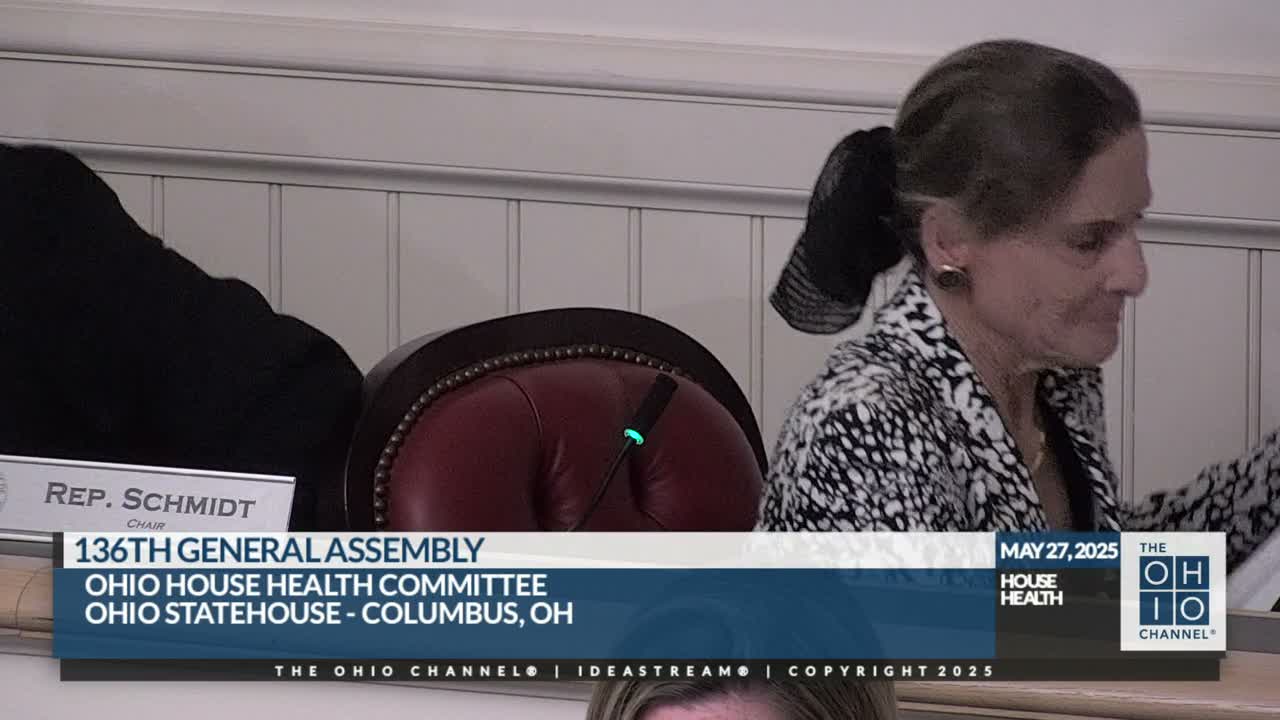
Representatives Grimm and Schmidt presented the Ohio Medical Debt Fairness Act to the House Health Committee, describing three core protections for people with medical debt: a 3% annual cap on interest, a prohibition on reporting medical debt to credit agencies, and a ban on wage garnishment for medical debt.
"Our modest 3% cap ensures that medical debt doesn't grow faster than families can reasonably address, while still allowing providers to recover legitimate costs," Representative Grimm said. Grimm argued the bill is designed to protect families without creating new bureaucratic burdens for health-care providers.
Representative Schmidt offered a personal example of constituents who lost access to housing or financing because medical debt severely lowered credit scores. Schmidt said some major providers in her district, including the University of Cincinnati Hospital, support the bill.
Committee members asked practical questions. Representative Gross queried whether the bill requires consumers to demonstrate inability to pay or to make minimum payments; sponsors replied the bill does not change providers' ability to seek payment plans or use third-party collectors, it only prohibits credit reporting and wage garnishment and caps interest. Representative King raised concerns that excluding medical debt from credit reports could obscure borrowers' obligations and create unintended lender risks; sponsors replied that medical debt is a poor indicator of repayment risk because it is often incurred through unavoidable emergencies and that removing medical-debt reporting would help families rebuild financial stability.
The chair concluded the first hearing and adjourned the committee meeting; sponsors said they will provide additional material and answer further questions in subsequent sessions.