Get Full Government Meeting Transcripts, Videos, & Alerts Forever!
Get email alerts on the Character Education topic
No spam. Unsubscribe anytime.
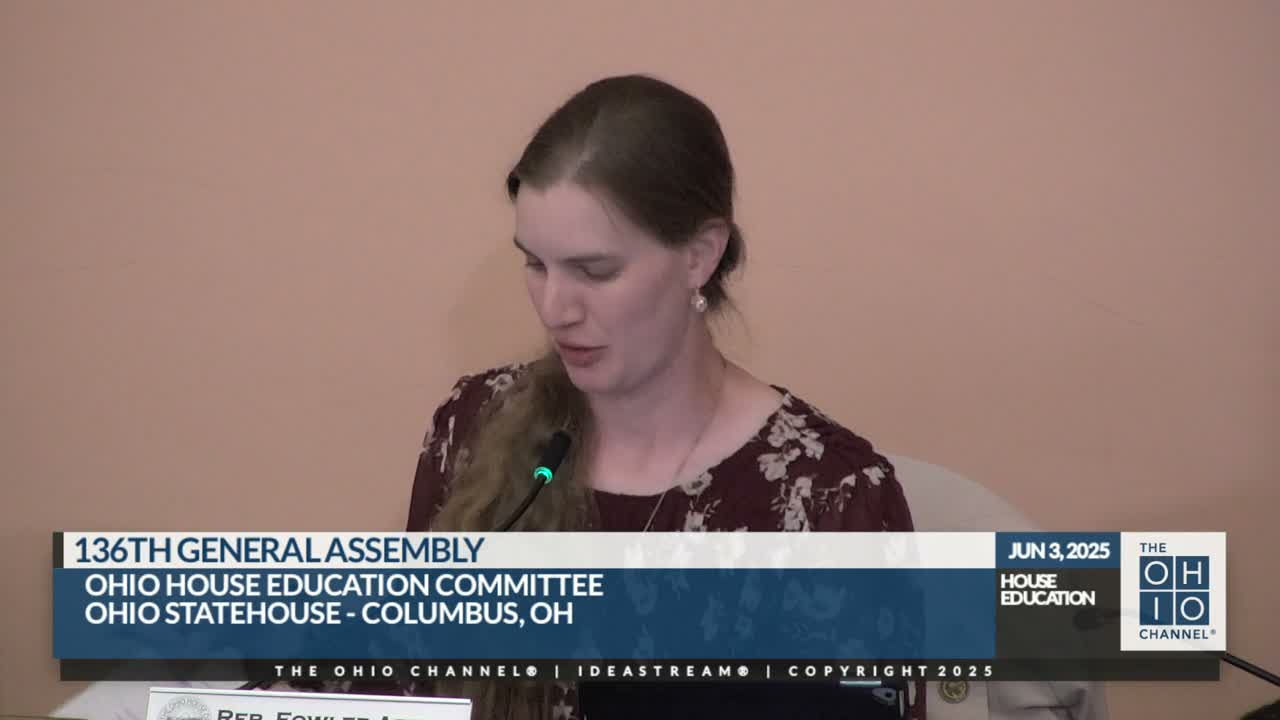
Sponsors defend ‘Thrive Act’ requiring character education and a "success sequence" for grades 7–12
Summary
Representatives Ritter and Newman described HB 269 as a model‑curriculum bill to teach character traits and a "success sequence" to grades 7–12; sponsors cited research and said the Department of Education and Workforce would develop the model, while members raised questions about evidence, measurement, possible constitutional concerns and teacher fit.
Representatives Ritter and Newman urged the committee to pass House Bill 269, called the "Thrive Act," which would require instruction in character traits and a "success sequence" for students in grades 7 through 12 and authorize optional, complimentary after‑school programs from nonprofit providers.
Ritter described the bill as a return to character education—"not revolutionary," he said—but one that would teach traits such as honesty, reliability, punctuality, gratitude and the "success sequence" (finish high school, get a job, wait to have children until marriage) as part of a model curriculum developed by the Department of Education and Workforce. "The Thrive Act seeks to remedy these deficiencies by teaching shared values that we all agree with," Ritter said.
Witnesses and sponsors cited an American Enterprise Institute report and other academic literature to justify the approach. Several committee members pushed back: Representative Miller and others asked for data showing measurable outcomes (reductions in teen pregnancy, poverty, etc.) and whether model curriculum content could create challenges for teachers who do not conform to the taught examples. Concerns were also raised about whether optional after‑school programs run by nonprofits could create open‑forum or First Amendment issues; sponsors said they would carefully avoid forcing schools into impermissible endorsement or discrimination.
Why it matters: The bill would place statewide direction on character education content and reporting metrics through the Department of Education and Workforce. Questions on evidence, curricular nuance and constitutionality make the bill likely to face detailed amendment and review.
What’s next: The bill concluded its first hearing; sponsors offered to provide supporting studies and said DEW would establish metrics for measuring program success.