Get Full Government Meeting Transcripts, Videos, & Alerts Forever!
Get email alerts on the AAB Scheduling Training topic
No spam. Unsubscribe anytime.
Panel proposes scheduling reforms, specialized training and a 'circuit' AAB pool to reduce backlog and litigation
Summary
Practitioners and county officials urged the BOE to require better pre-hearing conferences, adopt large-case procedural rules, separate simple from complex hearings, and explore a statewide pool of experienced AAB members to fill vacancies in small counties and reduce costly litigation.
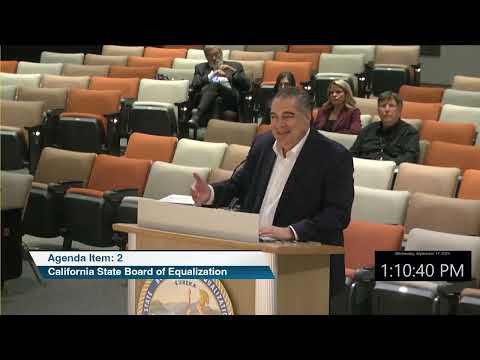
Speakers at the Board of Equalization workgroup described a web of scheduling, discovery and training problems that create delays, backlogs and litigation in the assessment-appeals system.
Thomas Parker explained statutory limits on an AAB’s enforcement powers and said there is "very little direct enforcement capability for AABs," so administrative fixes—pre-hearing conferences, clear guidance on good cause, and scheduling coordination—are critical.
Chris O'Neil, a long‑time property-tax litigator, urged the board to adopt procedural tools familiar to trial courts: require parties at pre‑hearing conferences to commit to the number of hearing days needed, segregate complex cases from homeowner and low-value dockets, and create "large-case rules" that impose deadlines for pre‑hearing exchanges, exhibit pre‑marking and briefing. "One thing that would help a lot is if we could segregate the cases, the complex from the simple ones," O'Neil said, arguing that firm multi‑day blocks would avoid repeated partial appearances that clog calendars.
John Tudor and other assessors endorsed exploring a statewide portal and a circuit‑riding pool of trained AAB members who could be deployed to counties short on qualified members. Tudor said the assessors’ JPA is close to selecting a vendor for a Proposition 19/exemptions portal and that a similar joint approach for clerks could reduce costs and accelerate rollouts.
Speakers also flagged litigation risk from inadequate written findings and urged stronger training and council oversight so that findings meet the standards that courts expect. Several presenters recommended the BOE build training modules and run statewide or regional training to improve member capacity and consistency.
Next steps: BOE staff will include recommended rule clarifications on good cause, pre-hearing conferences and training modules in a fall report for board consideration.