Get Full Government Meeting Transcripts, Videos, & Alerts Forever!
Get email alerts on the Career Technical Education topic
No spam. Unsubscribe anytime.
Kern County students showcase culinary CTE program tied to probation and community partners
Summary
Kern County presenters described a court and community schools culinary program that offers industry certifications, a mobile 'Grow Cafe' kitchen and a three‑week restaurant project to give students hands‑on experience; probation officials said the program is designed to prepare youth for reentry and employment.
Pam, the CTE program specialist with the Kern County Office of Education, introduced the county’s court and community schools culinary program and praised a multi‑agency partnership that includes Kern County Probation and district food‑service staff.
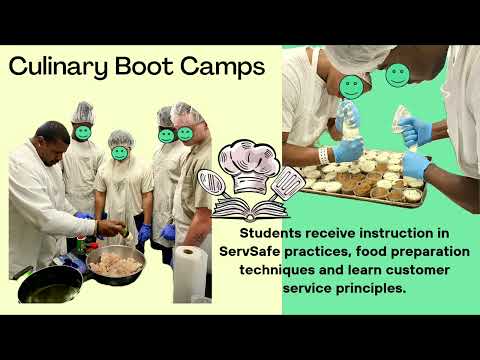
The program provides condensed culinary boot camps in institutional settings and opportunities for students to earn industry certifications. “Once the students complete the boot camp and earn their certification, we provide them a real world opportunity, to practice the skills that they have gained,” said Rebecca Rivera, a culinary arts facilitator, describing ways students apply training in a restaurant‑style event.
Nut graf: The program offers two industrially recognized credentials—the ServSafe food handler certificate and an AHLEI hospitality certificate—and supplements classroom training with internships, a three‑week restaurant project (students attend five hours a day on weekends), and a mobile kitchen called the Grow Cafe. Organizers said the initiative is intended to build workplace skills for students who may be returning to the community.
Probation chief Bill Dickinson said staff attempt to prepare youth for employment by providing certificates, life documents and interview opportunities inside facilities. “We prepare them to be ready for the workforce,” he said, describing interview processes that select detail workers for kitchen roles.
Program highlights and logistics: The county’s restaurant project runs three weeks with weekend classes and culminates in a one‑day public event where students serve as hosts, cooks and servers. Students also participate in an annual Bus Driver Appreciation Day, preparing more than 200 meals. The Grow Cafe mobile kitchen offers off‑site catering and, when in operation, creates community exposure for student learning. Presenters said the program has run in its current culinary form about five years and is supported by grants and local partners; the cafe was under repair at the time of the presentation and items were being donated rather than sold pending grant and procurement constraints.
What trustees asked and next steps: Trustees asked whether the district tracks graduate employment; presenters said the program does not currently track placement as a routine metric but noted active efforts to create paid internships with local employers and foundations. Staff said some training pathways are being converted into paid internships through a local foundation and district partnerships.
The presentation closed with trustees thanking students and staff and sampling student‑made desserts; organizers said they will continue to expand partnerships with Bakersfield College and local employers to increase work‑based learning opportunities.