Get Full Government Meeting Transcripts, Videos, & Alerts Forever!
Get email alerts on the Levy And Finance topic
No spam. Unsubscribe anytime.
West Geauga board discusses accelerating substitute levy to preserve state rollback
Summary
Board members discussed moving a planned substitute levy from May 2026 to November to preserve a state property-tax rollback (described as about 12.5% of the tax bill); staff said the substitute would replace existing levies with no increase in millage.
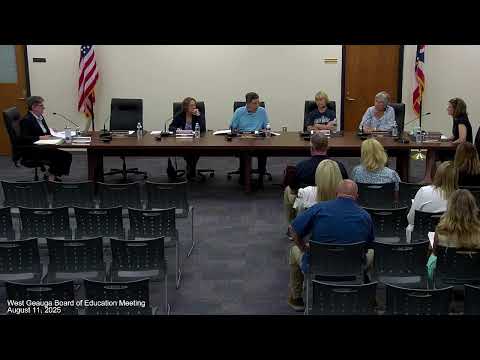
Board members and district staff spent an extended portion of the meeting outlining why the district is considering accelerating a planned substitute levy to the November ballot.
Staff told the board that recent state legislation and the possibility of a legislative override mean the district could lose the state’s rollback (described in the meeting as roughly 12.5 percent of a property-tax bill) for levies enacted after Jan. 1 if it does not act before that change. The administration said it had planned a renewal for May 2026 but recommended moving the substitute levy to November to preserve the state credit. According to staff, a substitute levy would replace the district’s current levies and not increase the millage collected; if the substitute passes, the existing levies would be canceled for a seamless transition.
Board members said the action is procedural to preserve taxpayer benefits rather than a request for additional funds. Trustees asked questions about timing and the mechanics of the policy change; staff said they will present options for specific November or early-December dates and will notify the public. The board did not record a final vote on placing the levy on the ballot at this meeting; discussion focused on timing and communications to families ahead of the proposed ballot placement.
If the board proceeds with a November substitute levy, staff said the district would also conduct outreach explaining that the change aims to preserve the state’s homestead/rollback credit and would not increase the rate of taxation.