Get Full Government Meeting Transcripts, Videos, & Alerts Forever!
Get email alerts on the Roadway Safety Plan topic
No spam. Unsubscribe anytime.
Keene committee unveils draft Roadway Safety Action Plan with 190 recommended projects; data gaps noted
Summary
Consultants presented a draft Roadway Safety Action Plan to the Keene Municipal Services, Facilities & Infrastructure Committee, reporting about 4,500 crashes over 10 years, that 68% of serious crashes occur at intersections, and recommending roughly 190 projects; presenters said detailed crash reports required to analyze some measures are not currently accessible.
Consultants presented a draft Roadway Safety Action Plan to the Keene Municipal Services & Infrastructure Committee and described a menu of nearly 190 recommended projects aimed at reducing crashes and serious injuries across Keene.
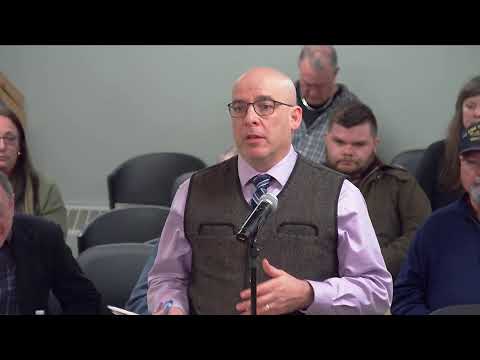
The plan centers on the Federal Highway Administration’s "safe system" approach, which the consultants described as designing roadways and policies that account for human error. "It's something that Federal Highway has come up with. It recognizes human error," consultant Frank Linenbringer said during the presentation.
Why it matters: consultants said the city recorded roughly 4,500 crashes in a 10-year review and identified a high-injury network of priority locations. "Sixty-eight percent occurred at intersections," Linenbringer said, noting that intersections concentrate conflicts with pedestrians and bicyclists. The draft sets an intermediate target of a 50% reduction in fatalities and serious injuries by 2035 and a long-term goal of zero by 2045, presented as the plan's strategic targets.
Community input helped shape the recommendations. "We had over 500 respondents. I think we had over 1,500 comments and pins of improvements," Phil, the project engagement lead, said. The consultants said they combined crash analysis and public feedback to produce five consistent strategies: improve safety for non-motorized users, enhance lighting and signage, reduce intersection conflicts, manage speeds, and strengthen programs, education and multi-jurisdictional coordination.
The consultants described an evaluation framework that scores projects on crash reduction potential, equity and community support and reported an inventory approximately 190 projects long. The team suggested funding sources including federal Safe Streets for All implementation and demonstration grants and New Hampshire DOT programs such as CMAQ and TAP, while noting other grant opportunities may arise.
Data limitations surfaced during committee questioning. A member who reviewed the draft said they "totaled up 42 percent of the either fatal serious or minor injury crashes being directly related to driver behavior" (impaired driving, speeding, distracted driving) and asked whether the plan could show how many crashes are tied specifically to right turns on red. Linenbringer replied that the consultants receive an aggregated database from state records but do not get full crash-report narratives or crash-type classifications by default: "That's in the crash report, but we don't get that. We get the database. We'd have to request all the crash reports and have it redacted." The committee was told obtaining that level of detail would require additional requests and that state privacy rules limit routine sharing.
Next steps: city public works said it will use the draft as a reference for capital projects and grant-seeking and plans to return annually with an update on projects completed and observed crash trends. Committee members flagged the data-access issue as a potential legislative concern to enable deeper local analysis.
The draft plan and its project database remain available to staff for prioritization and funding pursuit; the committee did not take formal votes during this session and will consider implementation over time.