Get Full Government Meeting Transcripts, Videos, & Alerts Forever!
Get email alerts on the Personnel Policy topic
No spam. Unsubscribe anytime.
Committee adopts pay‑for‑performance policy for AFSCME and nonunion staff starting 2025
Summary
Human Resources presented a new pay‑for‑performance program that replaces longevity‑based step increases for AFSCME and nonunion employees beginning in 2025; the committee approved the policy after members raised concerns about potential bias and staff described planned training and appeals.
The Legal and Finance Committee on Nov. 13 approved a new pay‑for‑performance policy for city employees, shifting compensation from longevity‑based step increases to merit‑based raises tied to employee self‑evaluations and supervisor reviews.
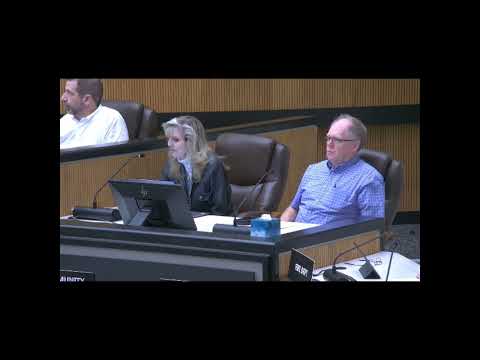
Human Resources Director Amber Cornella said the policy will take effect in 2025 for AFSCME and nonunion employees and will be implemented through a standard operating procedure that lays out timelines, evaluation forms and an appeals process. "This is a brand new initiative for the city," Cornella said, noting that the mayor’s compensation philosophy predated her arrival and that she had drawn on private‑sector experience to develop the governing policy and procedures.
Committee member Bill Evans voiced support but warned about potential for subjective evaluations to reward employees with stronger political or interpersonal skills rather than those doing day‑to‑day work. "I do caution...that...there are people in every department that through their charm and grace...are able to get things done, giving the appearance of great work," Evans said.
Cornella responded that training and an appeals form are part of the rollout and that staff will provide comprehensive training to both employees and supervisors before the first evaluation cycle.
The motion to approve the policy passed unanimously. Staff said more specific operational details (timing, score thresholds and appeals procedure) will be finalized in a standard operating procedure and training package prior to implementation.