
PED says it should lead remedial plan in Martinez/Yazzie matter; LESC staff outline case status
Get AI-powered insights, summaries, and transcripts
Subscribe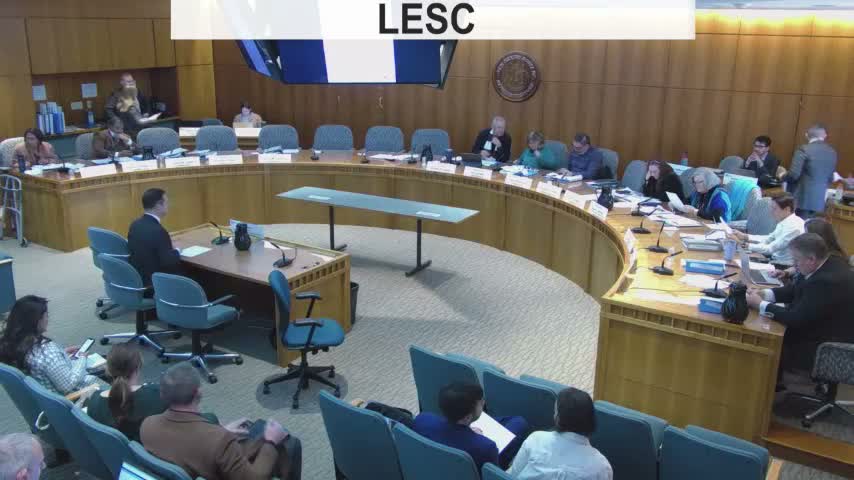
Summary
LESC staff summarized the Public Education Department's response to plaintiffs' September motion in the Martinez/Yazzie consolidated lawsuit: PED does not oppose a remedial action plan but opposes LESC being the primary author, and the department said timeline expectations may be infeasible during session; the committee discussed roles, separation of powers, and objective measures of progress.
LESC staff briefed committee members on the Public Education Department's response to the plaintiffs' September motion in the Martinez/Yazzie consolidated lawsuit, explaining the department's position on who should develop a remedial action plan and the feasibility of proposed timelines.
John (LESC staff) told the committee that "PED's response ... doesn't oppose the plaintiff's request in their motion in creating a plan toward compliance, but it does oppose the plaintiff's request in their motion that this plan be mainly authored by the, LESC." He said PED argues it is best positioned to lead development of the plan while acknowledging that it "cannot accomplish this task alone" and that LESC and other stakeholders could play a role in development.
Staff emphasized that PED's response raises both substantive and procedural points: the department disputes some plaintiffs' characterizations and notes that some claims were based on dated information, it urges focus on improving inputs to the system (funding, programming) as well as outputs, and it questions whether the plaintiffs' timeline is feasible given legislative-session work.
Members spent substantial time on related governance questions: several legislators urged a cross-agency long-term strategic planning process, and others pressed for objective outcome measures to judge when the state has satisfied court expectations (for example, concrete math and reading targets rather than lists of activities). Committee members also noted the requirement to respect tribal sovereignty and to ensure that court filings include full financial and implementation detail.
What happens next: staff said the court has not yet scheduled a hearing; LESC will share court documents and staff analyses as rulings and filings become available.