Get Full Government Meeting Transcripts, Videos, & Alerts Forever!
Get email alerts on the Telemedicine And Licensure topic
No spam. Unsubscribe anytime.
North Dakota Board of Medicine adopts telemedicine exceptions, clarifies PA and genetic‑counselor rules
Summary
The Board of Medicine presented rule updates to define grounds for discipline, adopt telemedicine licensure exceptions (five categories), clarify PA licensure language requiring graduation from an accredited program, and codify genetic counselor licensing and fees; the board incorporated a written comment from ATA Action on telemedicine.
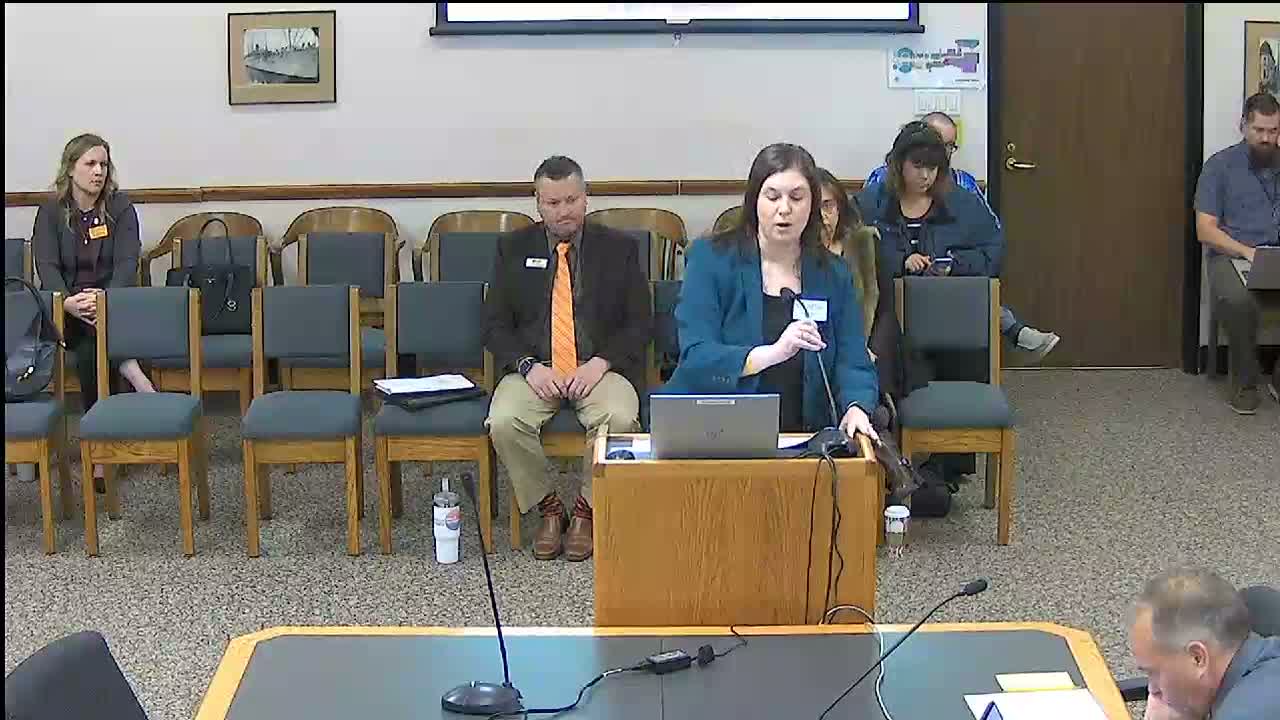
Sandra de Pontes, executive director of the North Dakota Board of Medicine, briefed the Administrative Rules Committee on a rule package covering disciplinary definitions, telemedicine exceptions, physician‑assistant licensure, and genetic counselor rules.
De Pontes said the amendments strengthen clarity for licensees by defining abuse, misconduct, exploitation and unethical conduct (grounding those terms in codes of ethics). The telemedicine section contains five exceptions: continuation of care for patients treated outside North Dakota by an established provider; temporary presence in state for established out‑of‑state patients; preparation for a scheduled in‑person visit; physician‑to‑physician consultations where the ND physician retains responsibility; and gratuitous service during declared emergencies. She said ATA Action submitted the only written telemedicine comment and the board adopted its recommendation to remove an in‑person requirement to maintain a patient‑provider relationship.
On PA licensure, De Pontes said the rules now explicitly say applicants must graduate from an accredited program (the requirement already existed by national certification but was not in rule language). The board also convened an advisory committee to craft genetic counselor rules; the package establishes provisional licensing between board meetings and codifies a $50 annual renewal fee that has been in effect since 2013.
Committee members asked clarifying questions about how telemedicine exceptions operate and about the PA language; the board explained the continuity‑of‑care exception and why some in‑person follow‑up language was removed. No committee action rejecting the package was recorded; the presentation concluded with appreciation for the thorough explanation.