Get Full Government Meeting Transcripts, Videos, & Alerts Forever!
Get email alerts on the Public Comment Special Education topic
No spam. Unsubscribe anytime.
Parents and providers press Board on literacy interventions, supervision rules and special-education duties during public comment
Summary
During the public-comment period, parents and early-childhood educators urged the Board to allow specific reading interventions for special-education students, reduce supervision burdens in childcare regulations, and address alleged omissions and conflicts in standards and enforcement.
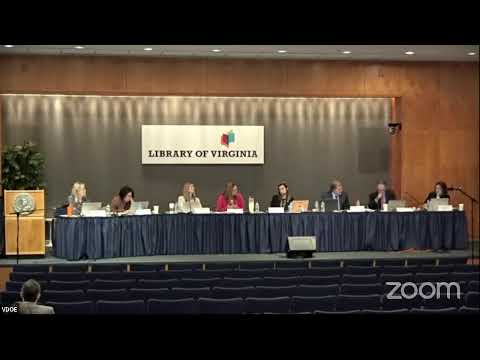
A wide range of parents, educators and providers used the public-comment period at the Virginia Board of Education meeting to press for changes to literacy interventions, early-childhood supervision standards and board oversight of special education.
Jackie Thurman, a Prince William County parent, described her son’s needs and urged that individualized interventions be allowed under IEP teams. Thurman said her son’s neuroeducational evaluation recommended intensive Orton-Gillingham instruction and asked the board to sign a waiver submitted on behalf of her child so he can use an alternate program while state approvals proceed.
“I am asking for Virginia Board of Education president, member, or delegate signature on my submitted waiver letter to allow my child to use Sunday system 2 for phonics…Please do not make Carl wait for months,” Thurman said.
Several early-childhood teachers and providers urged the board to reduce regulatory burdens that they said risked undermining care quality. Jennifer Slack, an early-childhood educator from Charlottesville, criticized draft childcare licensing rules that retain sight-and-sound supervision requirements and recommended that preschool supervision be separated into categories so older preschoolers can have limited periods of sound-only supervision.
Miriam Skadron, an infant and toddler teacher, urged limiting routine screen-time by requiring family opt-in and transparency rather than a strict daily limit; she also warned that broad time caps could increase reliance on media when staffing is pressured.
Other commenters raised distinct concerns. Jean Sokolowski, a retired educator, alleged falsification in prior Standards of Learning regarding the listing of genocide victim groups and requested a formal investigation and public report. Eileen Shalei, a mother of a daughter with a disability, cited federal IDEA rules (34 CFR 300.227) and urged the board to seek independent, objective advice about the board’s duties when a school division is not meeting a student’s needs.
Board members acknowledged the comments and said staff would return with clarifications, guidance and, where appropriate, changes to the draft regulations. Deputy Superintendent Conway and staff repeatedly noted that the regulatory process includes further public comment, advisory committee review and that many concerns can be addressed through variances or future guidance.