Get Full Government Meeting Transcripts, Videos, & Alerts Forever!
Get email alerts on the Drought Water Storage topic
No spam. Unsubscribe anytime.
SFPUC reports improving water storage but warns drought rules likely to persist
Summary
The San Francisco Public Utilities Commission was told system storage is recovering (Hetch Hetchy ~72%, total system ~47%) after a wet start to the year, but staff said state emergency conservation rules may remain in place and hourly diversion reporting is under consideration.
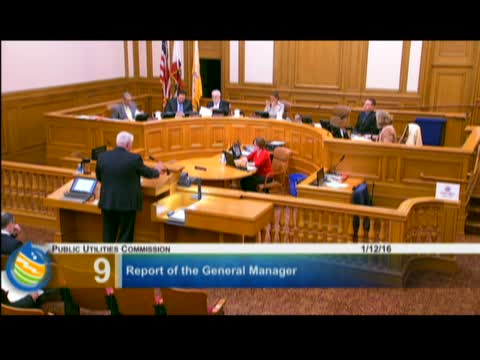
The San Francisco Public Utilities Commission heard a drought update on Jan. 12 from Assistant General Manager for Water Steve Ritchie, who said Hetch Hetchy sits at about 72 percent of capacity and total system storage is roughly 46.8 percent — about 60 percent of normal. ‘‘Everything is on the rise,’’ Ritchie said, describing above‑median precipitation and snowpack and a forecast of more storms later in the week. He added staff models show roughly a 25 percent chance of filling the system this water year, which would ease but not end drought concerns.
Why it matters: Less water in storage reduces the utility’s margin for operational flexibility and affects revenue because retail water sales have fallen. Ritchie told commissioners that the city currently has about 42,000 acre‑feet of water available from the Tuolumne River after upstream obligations, comparing that with 50,000 acre‑feet available last year.
State actions and monitoring: Ritchie reviewed pending state measures. The California State Water Resources Control Board may extend emergency conservation regulations through October if the drought persists, following a governor’s executive order. Staff highlighted draft SB 88 regulations that would require more frequent measuring and reporting from diverters — including hourly telemetry for some large diverters — and cautioned that the agency is studying the cost and informational value of those requirements.
Commission response and next steps: Commissioners pressed staff for precise storage and demand numbers; Ritchie and staff said they will continue to monitor precipitation, snowpack and the draft state regulations and report back. The commission asked staff to provide more detail about toxicity analyses and options when public comment raised concerns about abandoned infrastructure in refuge areas.
The commission did not take a vote on policy changes at the meeting; staff said they will return with additional analyses and any regulatory responses as the state board proceeds.