Get Full Government Meeting Transcripts, Videos, & Alerts Forever!
Get email alerts on the Sewer Infrastructure topic
No spam. Unsubscribe anytime.
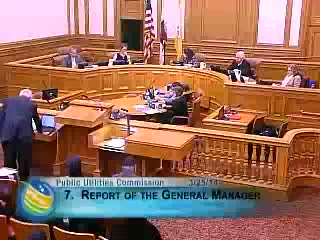
PUC outlines SSIP progress; Southeast community leaders press for stronger outreach and commitments
Summary
PUC staff reported progress on the Sewer System Improvement Program including digester repairs, a Central Bayside tunnel study and biosolids alternatives; Southeast community members and commissioners pressed staff for more meaningful local engagement, clearer revenue strategies for the Southeast Community Facility, and involvement of residents in technical planning.
Karen Kubik, director of the Wastewater Capital Improvement Program, gave the quarterly SSIP briefing, describing projects now in construction (an oxygen replacement plant, digester repairs) and management structures including a technical steering committee chaired by Emilio Cruz and a planned Green Infrastructure Advisory Group being formed with SPUR. Kubik highlighted climate-adaptation work, saying planning assumes about "12 inches by 2050" of sea-level rise and that Urban Watershed Assessment results will inform tunnel sizing and project prioritization.
Why it matters: The multi-billion-dollar SSIP will reshape sewer and stormwater infrastructure in San Francisco and includes investments in biosolids processing, central Bayside conveyance options (including a tunnel), and green infrastructure. Kubik said environmental review for the biosolids project is targeted to begin in mid‑2015, with a goal of operation by 2022 for some components. The PUC is evaluating delivery methods such as design-build to accelerate schedules and reduce costs.
Community reaction: Public commenters from the Southeast (including long-time community members and newly appointed commissioners to the Southeast Community Facility Commission) said outreach tactics (tours, social media) risk missing residents most affected in ZIP codes 94124, 94107 and 94134, and they urged culturally competent engagement and inclusion of local technical expertise. John Roddy gave a historical overview of the Southeast Community Facility and noted that rental revenues historically have not covered operating costs and that approximately $7.1 million in facility operational costs (1998–Feb 2013 records) have been funded from sewer service revenues. Residents and commissioners asked for clarity on revenue strategies, governance and how mitigation commitments will be honored.
Next steps: Staff said they will continue stakeholder engagement, begin a master plan for the plant (scheduled for completion in December of the year), pursue MOUs with the Southeast Community Facility Commission, and return with prioritized project packages and further timeline detail ahead of environmental review.