Get Full Government Meeting Transcripts, Videos, & Alerts Forever!
Get email alerts on the Drought And Infrastructure Risk topic
No spam. Unsubscribe anytime.
PUC asks customers to cut water use 10%; regional wholesaler warns of Mountain Tunnel risk
Summary
General Manager Kelly asked Hetch Hetchy customers for a voluntary 10% reduction as storage and snowpack remain low; the Bay Area wholesale customer group BOSCA raised an urgent alarm that Mountain Tunnel lining degradation could cause a catastrophic outage and demanded contingency answers and timelines.
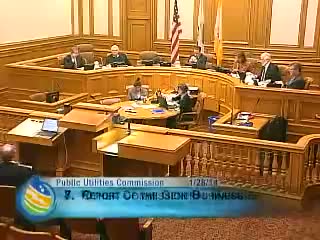
San Francisco — The San Francisco Public Utilities Commission on Jan. 28 urged Hetch Hetchy customers to voluntarily reduce water use by 10% as staff tracked one of the driest periods on record and low snowpack conditions.
General Manager Kelly announced that he would ask customers of the regional Hetch Hetchy system to "voluntarily curtail their consumption by at least 10%" beginning Jan. 31, and that the PUC would coordinate with the mayor’s office and wholesale customers on outreach. Assistant General Manager Steve Ritchie told commissioners that reservoir storage was around 70 percent but that snowpack was low and that February‑to‑April precipitation would be critical to the outlook.
What that could mean: staff said the next monitoring steps will be weekly assessments and that mandatory rationing — which triggers formal water budgets under the PUC’s water supply agreements with wholesalers — could be implemented if conditions deteriorate further.
A regional alarm: at the same meeting the Bay Area wholesale customer organization (BOSCA) delivered a written statement raising a separate but urgent infrastructure concern. BOSCA staff said PUC notified them that portions of the Mountain Tunnel lining could be susceptible to catastrophic collapse and that a total failure "could eliminate 85% of the water currently used by the 1,700,000 residences, 30,000 businesses and thousands of community agencies" that BOSCA represents. BOSCA asked five specific questions including: what immediate near‑term plans exist to restore deliveries if a collapse occurs, the cause of the lining degradation, whether immediate fixes are required in addition to long‑term repairs, who will pay (estimated repair/replacement preliminary cost cited about $628 million), and how financing delays will be managed. BOSCA requested an answer to the first question by the commission’s first meeting in March and answers to the remaining questions by June.
Staff response and next steps: PUC staff acknowledged the seriousness of the tunnel issue and said they were preparing analyses and contingency planning. Steve Ritchie and other staff outlined potential augmentations such as the newly approved San Francisco groundwater project, planned transfers (which currently look uncertain), and other supply measures, but noted that access and timing vary by source. Commissioners asked staff for weekly updates of supply conditions and asked BOSCA and staff to continue close coordination on technical and financing answers.
Context: the PUC manages an extensive storage‑based supply system fed by Hetch Hetchy; staff emphasized that prior conservation gains and the PUC’s storage posture provided time to respond but that the combination of low snowpack and an infrastructure risk warranted immediate planning.
Next procedural steps: staff will report supply condition updates on a weekly basis; the PUC and BOSCA expect to exchange technical information and timelines. A potential escalation to mandatory rationing would require formal actions and application of water budget rules under the PUC’s wholesale agreements.