Get Full Government Meeting Transcripts, Videos, & Alerts Forever!
Get email alerts on the Mental Health Cit topic
No spam. Unsubscribe anytime.
Commission hears mental‑health briefing and updates on Crisis Intervention Training
Summary
The commission received data on increased psychiatric emergency visits and a progress report on SFPD’s Crisis Intervention Training, including a 28% rise in trained officers this year and plans to expand CIT dispatch integration and training refresher courses.
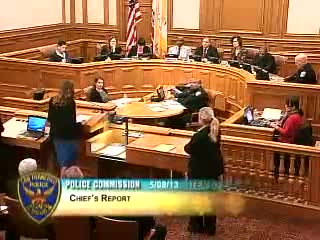
The San Francisco Police Commission devoted substantial time on May 8 to the city’s response to people in mental-health crisis and to progress on Crisis Intervention Training (CIT).
Dr. Melissa Knopf, Director of Psychiatric Services at San Francisco General Hospital, told the commission that intakes to the psych emergency room have increased in recent years, saying the hospital’s total 5150 intakes rose from 5,837 in 2009 to 6,293 in 2012. Dr. Knopf said SFGH is the county’s primary 5150 receiving facility and explained legal limits on involuntary holds that can shorten inpatient stays once a patient stabilizes.
Commissioners pressed for details about lost inpatient capacity and outpatient-service shortfalls. Dr. Knopf said the hospital had 57 inpatient beds until nursing shortages reduced that number to 51 in recent months and emphasized that outpatient resources and wait lists are the larger bottleneck pushing people back onto the street.
SFPD representatives described operational and training changes designed to reduce repeated crisis encounters. Sergeant Kelly Krueger outlined the psych-liaison unit’s work tracking frequent callers and coordinating with Mobile Crisis and Behavioral Health Court. Chief Richard Correa and the CIT coordinator said the department had expanded certified CIT training from about 118 officers to 150 so far this year, with plans to train more and to create an eight-hour refresher course and a clearer organizational identity for trained officers.
The department also reported work with the Department of Emergency Management to route appropriate calls to available CIT units at dispatch intake. Commissioners praised the emphasis on de-escalation and asked the department to continue strengthening partnerships with mental-health providers, including exploring peer respite options to bridge inpatient and outpatient care.
The commission did not take formal votes on policy during this presentation but requested follow-up materials — including data detail and proposed dispatch protocols — to evaluate the program’s next steps.