Get Full Government Meeting Transcripts, Videos, & Alerts Forever!
Get email alerts on the Community Concerns topic
No spam. Unsubscribe anytime.
Residents press commission on drugs, parks and selective enforcement in Tenderloin
Summary
At a June 27 community meeting, residents and service providers praised Safe Passage and urged more enforcement and services for drug‑affected sites, more playgrounds for children, and clearer communication on liquor and permit approvals; a public commenter alleged selective helmet‑law enforcement during a parade.
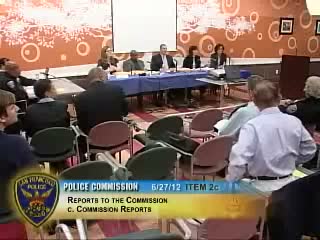
A string of public commenters at the Police Commission’s Tenderloin community meeting pressed officials for faster action on street‑level problems and better communication about permits and licenses.
Pat Zamora of the Boys & Girls Clubs praised the Safe Passage program and asked the commission to continue supporting corner captains who escort children to school. "Captain Garrity has... taken it to a personal level," Zamora said, thanking partners and volunteers for their work.
Marilyn Jane "MJ" Isabel, a longtime neighborhood resident, described repeated confrontations with people selling drugs and said: "We have a problem with drugs, and 85% of that problem comes from beyond our borders." She urged more patrols and warned that children encounter drug use near day‑care centers. The captain and commissioners acknowledged outside influences and described multi‑agency responses but did not confirm MJ's numerical estimate.
Community groups also raised concerns about the growth of pharmacies and off‑sale liquor permits near the neighborhood and asked for greater transparency about permit conditions. Michael Nolte, Alliance for Better District 6, asked for easier public access to permit and license conditions and closer monitoring of businesses suspected of illegal resale.
Other speakers — including young residents who asked for more playgrounds and improved park hours — underscored the meeting’s emphasis on children and neighborhood quality of life. Commissioners responded with commitments to follow up: they sought more data on sustained OCC force allegations and asked the police to expand crisis‑intervention training and supervisor participation.
The public comment period captured both praise for ongoing neighborhood efforts and persistent concerns about drug activity, retail change and available public space.